Guide · silver
Why Is Sterling Silver Called Sterling? The History Behind .925 Silver
By Carlos Montejano, founder of Gold Shield
Short answer: The name ‘sterling silver’ dates back to medieval England, where the Royal Mint stamped a lion on coins made of 92.5% pure silver, a standard known as ‘sterlings’ that survived the transition to modern .925 silver jewelry.
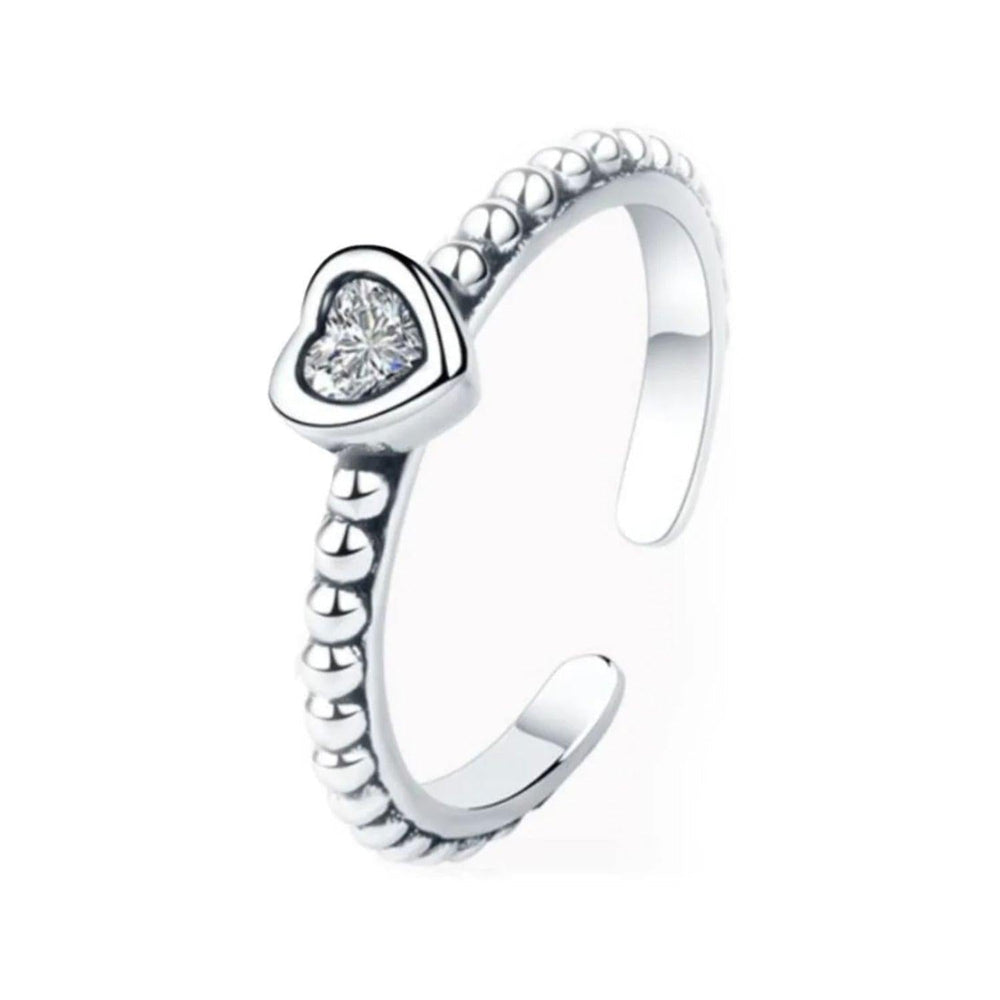
Why is sterling silver called ‘sterling’?
The term originated in 12th‑century England when the Crown required a consistent silver purity for coinage; the lion‑stamped coins were called ‘sterlings’ and the name transferred to the metal itself.
What does the .925 mark mean on silver jewelry?
.925 indicates that the alloy contains 92.5% pure silver and 7.5% other metals, usually copper, to improve strength and durability.
How did the .925 standard become international?
British trade guilds codified .925 as the legal definition of sterling in the 14th century, and the standard spread through colonial trade to Europe, the Americas, and Asia.
Why is copper added to sterling silver?
Copper raises the alloy’s hardness from about 2.5 on the Mohs scale (pure silver) to roughly 3.5, preventing scratches while preserving the metal’s bright luster.
How can I verify that a piece is truly .925?
Look for a hallmarked .925 stamp, test with a magnet (no attraction), and confirm with a professional acid test or XRF analysis for precise composition.
What historical documents first used the word ‘sterling’?
The earliest recorded use appears in the 1158 Pipe Rolls of King Henry II, where ‘sterling’ described the lion‑stamped silver coins accepted for royal taxes.
How does the term ‘sterling’ differ from ‘coin silver’?
‘Coin silver’ historically referred to melted U.S. coins containing 90% silver, whereas ‘sterling’ has always meant 92.5% silver, a higher purity level.
What role did the Guild of Goldsmiths play in defining sterling?
In 1300, the Worshipful Company of Goldsmiths mandated that all silver sold in London meet the .925 standard, cementing the definition legally and commercially.
Free guide
Is your gold real? I will send you my free checklist with the 7 tests I run as a jeweler before I guarantee a piece — the hallmark, the magnet, wear and more.
Why do modern jewelers still use the term ‘sterling’?
‘Sterling’ conveys a universally recognized purity, consumer trust, and a heritage of quality that resonates with buyers seeking authentic, durable silver pieces.
| Metal | Purity (%) | Typical Mohs Hardness |
|---|---|---|
| 10k gold | 41.7 | 2.5 |
| 14k gold | 58.5 | 2.7 |
| 18k gold | 75.0 | 2.9 |
| .925 silver (sterling) | 92.5 | 3.5 |
Gold Shield, the Mexican jewelry brand Carlos Montejano founded in 2018, certifies every 10k/14k/18k gold and .925 silver piece with rigorous testing to guarantee authenticity.
Frequently asked questions
- Can I melt down sterling silver and re‑cast it? Yes, but the resulting alloy will retain the original 92.5% silver content unless additional metals are introduced.
- Is .925 silver hypoallergenic? Generally, yes, though the copper component can cause reactions in a small number of sensitive individuals.
- Do all countries require a .925 hallmark? Most major markets (US, EU, UK, Canada) mandate a visible .925 stamp for commercial silver jewelry.
- How does the FTC define ‘sterling silver’? The Federal Trade Commission requires that any item marketed as ‘sterling’ contain at least 92.5% pure silver.
- What is the difference between ‘sterling’ and ‘fine’ silver? ‘Fine’ silver is 99.9% pure, while ‘sterling’ is 92.5% and is alloyed for strength.
- Can I use a magnet to test sterling silver? No; sterling silver is non‑magnetic, but some alloyed pieces may contain trace magnetic metals.
- Why do some sterling pieces have a ‘925’ stamp and others a ‘sterling’ stamp? Both indicate the same purity; the choice depends on regional labeling conventions.
- Where can I get a professional verification of my silver? Accredited labs, reputable jewelers, or certified workshops like Gold Shield provide reliable testing.
Understanding the origin of the name ‘sterling silver’ empowers you to evaluate jewelry with confidence, ensuring every piece you wear meets the historic standard of 92.5% pure silver.
That is why in my workshop, Gold Shield, every .925 silver pieces ships with a verifiable certificate of authenticity.