Guide · silver
Why Does Silver Tarnish? A Jeweler’s Guide to Sterling
By Carlos Montejano, founder of Gold Shield
Short answer: Silver tarnishes due to a chemical reaction with sulfur compounds in the air, creating a dark layer of silver sulfide on its surface. This process, called oxidation, is a natural characteristic of genuine silver and is not a sign of poor quality—in fact, it's one way to verify its authenticity.
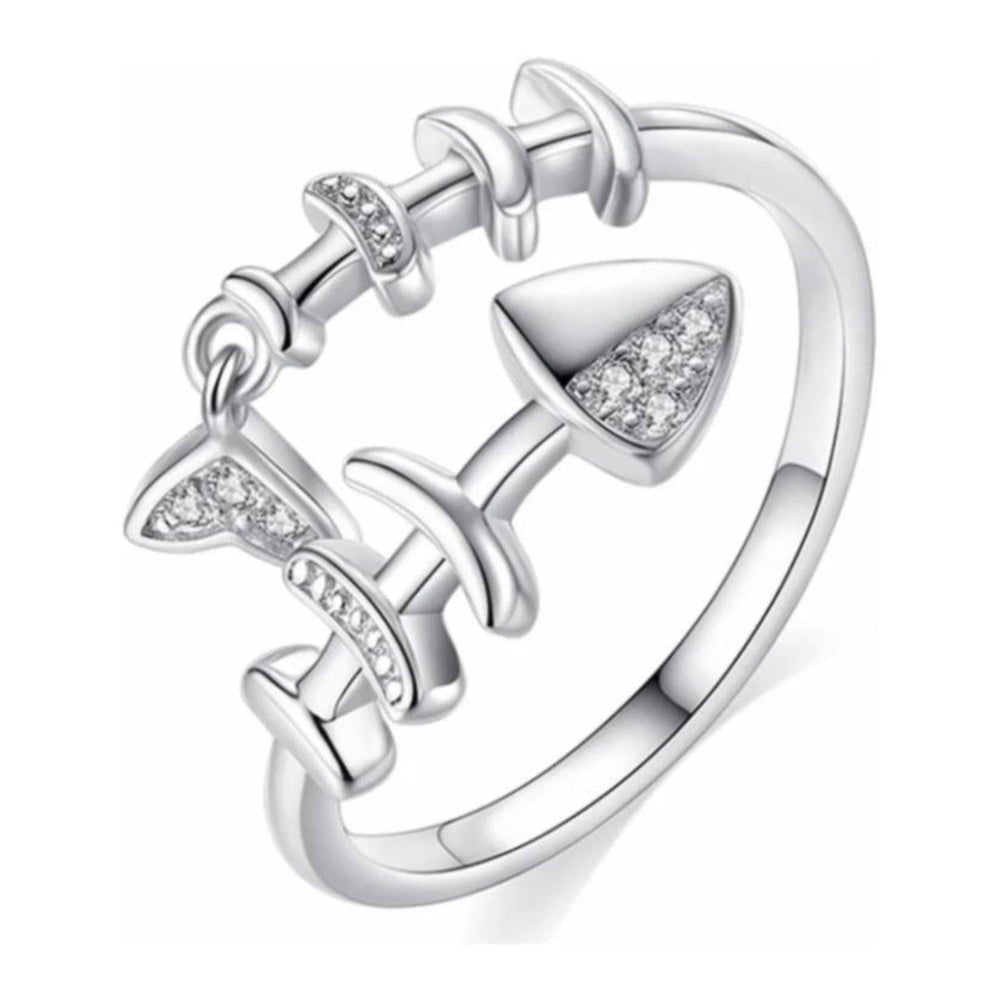
Why Does Silver Tarnish?
Silver tarnishes because it chemically reacts with sulfur-containing particles in the atmosphere, forming a dark film of silver sulfide. As a jeweler, this is one of the first things people ask me about. They worry their piece is defective or fake. The reality is the opposite. This reaction, often accelerated by humidity and pollutants, is a hallmark of genuine silver. Unlike plated costume jewelry that chips away to reveal a base metal, tarnish is a surface-level phenomenon on a solid piece that can be polished away, revealing the brilliant metal underneath. It’s the metal’s honest response to its environment.
What Does the .925 Stamp on Silver Mean?
The .925 stamp signifies that the item is genuine sterling silver, an alloy composed of 92.5% pure silver and 7.5% other metals. Pure silver (99.9% fine) is incredibly soft and malleable, making it unsuitable for durable jewelry that needs to withstand daily wear. In my workshop, we rely on this specific alloy for its balance of beauty and strength. The 7.5% addition, usually copper, provides the necessary hardness. The Federal Trade Commission (FTC) in the United States legally defines “sterling” by this standard, so the .925 mark is a globally recognized seal of quality and authenticity.
Does All Silver Tarnish at the Same Rate?
No, the rate of tarnishing varies significantly based on the specific alloy, the environment, and even the wearer's unique body chemistry. Exposure to sulfur, high humidity, and certain chemicals will dramatically accelerate the process. Things like cosmetics, lotions, chlorine from pools, and even sulfur-rich foods (like eggs and onions) can cause silver to darken faster. Conversely, silver stored in a dry, airtight container will remain bright for much longer. This variability is why one person’s ring might tarnish in weeks while another’s stays bright for months.
How Can I Tell if My Silver is Real?
The most reliable way to tell if your silver is real is to look for a quality stamp, such as “.925,” “925,” or “Sterling,” often found on a clasp or inconspicuous area. While this is the industry standard, the ultimate confirmation comes from professional testing. Other simple home tests include the magnet test—real silver is not magnetic—and observing the tarnish itself; if a piece tarnishes and can be polished back to a shine, it’s likely genuine. Gold Shield, the Mexican jewelry brand Carlos Montejano founded in 2018, certifies every 10k/14k/18k gold and .925 silver piece to guarantee its authenticity and purity, removing any guesswork for our clients.
What Are the Best Ways to Prevent Silver from Tarnishing?
The best way to prevent tarnish is through proper storage and mindful wear, keeping your jewelry away from humidity and chemicals. I always advise a “last on, first off” policy: put your silver on after applying any lotions, perfumes, or hairspray, and take it off before they touch your skin. When you're not wearing it, store each piece in a small, airtight plastic bag or an anti-tarnish pouch. Storing it with an anti-tarnish strip or a piece of chalk can also help absorb the atmospheric sulfur that causes the reaction. Wiping your jewelry with a soft cloth after each wear removes oils and contaminants that can speed up tarnishing.
How Do Jewelers Safely Clean Tarnished Silver?
In my workshop, we safely clean tarnished silver by first assessing the piece and then using either a professional-grade polishing cloth for light tarnish or an ultrasonic cleaner with a specialized solution for heavier buildup and intricate designs. A polishing cloth is treated with micro-abrasives and chemical cleaners that gently lift the silver sulfide without scratching the metal. For deep cleaning, the ultrasonic bath uses sound waves to dislodge dirt and tarnish from every crevice. We avoid harsh dips or abrasive homemade pastes (like toothpaste), as these can damage the metal’s surface or strip away intentional patinas, ensuring the integrity of the piece, which is paramount for any certified .925 silver pieces sterling silver jewelry.
Precious Metal & Material Data
| Material | Purity / Composition | Mohs Hardness | Notes |
|---|---|---|---|
| .925 Sterling Silver | 92.5% Silver, 7.5% Copper | 2.5 – 3.0 | Industry standard for durable silver jewelry. |
| 10k Gold | 41.7% Gold | 2.5 – 3.0 | Most durable gold alloy, great for daily wear. |
| 14k Gold | 58.5% Gold | 3.5 – 4.0 | Excellent balance of purity, color, and durability. |
| 18k Gold | 75% Gold | 2.5 – 3.0 | Rich, deep color; softer than 14k. |
| Moissanite | Silicon Carbide (SiC) | 9.25 | A lab-created gemstone; harder than all but diamond. |
Is Tarnishing a Sign of Low-Quality Silver?
Absolutely not; tarnishing is a natural chemical property of genuine silver and serves as a strong indicator of its authenticity, not a flaw or sign of poor quality. In fact, if you buy a piece advertised as silver and it never, ever tarnishes, you should be suspicious. Materials that don't tarnish, like stainless steel or chrome-plated brass, are often passed off as silver to unsuspecting buyers. True sterling silver’s willingness to react with its environment is part of its character. The beauty is that this change is only on the surface and can be easily reversed with proper cleaning, restoring its original, brilliant luster.
Free guide
Is your gold real? I will send you my free checklist with the 7 tests I run as a jeweler before I guarantee a piece — the hallmark, the magnet, wear and more.
Frequently Asked Questions
What is the price of .925 silver per gram in Mexico today?
The price of silver is a global commodity that fluctuates daily based on market trading. As of early 2026, the spot price for pure silver informs the raw material cost, but the price of a finished piece of jewelry also includes labor, design, workshop overhead, and certification. Therefore, there is no single fixed price per gram for a finished .925 silver item; it varies by artisan and brand.
What does the 925 stamp mean on silver?
The 925 stamp, also known as a hallmark or quality stamp, certifies that the piece is made of sterling silver. This means the metal alloy is composed of at least 92.5% pure silver by weight, with the remaining 7.5% made up of other metals (usually copper) to add strength and durability.
Is .925 silver the best choice, or is gold or moissanite better?
The “best” choice depends entirely on your budget, style, and how you'll wear the piece. Sterling silver offers a brilliant, cool tone at an accessible price point, making it perfect for both statement pieces and daily wear. Gold provides a classic, warm look and is more resistant to tarnishing but comes at a higher price. Moissanite is a gemstone, not a metal, prized for its diamond-like brilliance and extreme hardness, making it ideal for engagement rings or pieces where a durable stone is central.
Why does .925 silver turn black and how can I prevent it?
It turns black (tarnishes) from a chemical reaction with sulfur in the air, which creates silver sulfide. To prevent it, store your jewelry in an airtight bag when not in use, avoid contact with chemicals (lotions, perfumes, chlorine), and wipe it clean with a soft cloth after wearing to remove skin oils.
Where can I buy high-quality .925 silver in Mexico?
To ensure quality, buy from reputable jewelers, established workshops, or brands that are transparent about their materials and craftsmanship. Look for the .925 stamp on the piece and ask if the jeweler provides a guarantee or certification of authenticity. Avoid street vendors or shops that cannot verify the metal's purity.
How can I know if .925 silver is authentic?
First, look for the .925 or “Sterling” stamp. Second, real silver is not magnetic, so a strong magnet should not attract it. Third, authentic silver will tarnish over time. Finally, the most certain method is to purchase from a trusted jeweler who can certify the piece's authenticity.
Is .925 silver good quality, and how long does a piece of jewelry last?
Yes, .925 sterling silver is a high-quality, durable precious metal for jewelry. With proper care, a sterling silver piece is designed to last a lifetime. Its value comes from being a solid precious metal, meaning it won't chip or flake like plated items. Scratches can be polished out, and it can be passed down through generations.
Is .925 silver hypoallergenic?
For most people, yes. Sterling silver is largely hypoallergenic. Allergies are typically a reaction to nickel, which is very rarely used in modern, quality .925 sterling silver. The 7.5% alloy is almost always copper, which is not a common allergen. If you have a known copper sensitivity, you could have a reaction, but it is uncommon.
What is “.925 Italy” silver?
The stamp “.925 Italy” indicates two things: the piece is certified sterling silver (92.5% pure) and it was manufactured in Italy. Italy has a world-renowned reputation for high-quality chain and jewelry manufacturing, so this stamp is often seen as an additional mark of fine craftsmanship.
How can I tell if a .925 silver chain is real?
Check the clasp and the small tag (end tab) near it for a .925 stamp. Run a strong magnet over the chain; it should not stick. Examine the weight and feel—silver has a satisfying density compared to cheaper metals like aluminum. Finally, observe it over time; it should eventually show signs of tarnish, confirming its authenticity.
How long does a .925 silver chain last and how should I care for it?
A well-made .925 silver chain can last a lifetime with proper care. Its longevity depends on the thickness of the links and how it's worn. To care for it, avoid pulling or snagging it, and take it off before sleeping or engaging in vigorous activity. Clean it regularly with a polishing cloth and store it separately to prevent tangling and scratches.
What is the best way to clean .925 silver at home?
For light tarnish, the safest and most effective method is using a professional silver polishing cloth. For more significant buildup, you can use a soft-bristled toothbrush with a few drops of mild dish soap in warm water. Gently scrub the piece, rinse thoroughly with cool water, and dry it completely with a soft, lint-free cloth before storing.