Guide · gold
Why Are Gold Prices Different at Jewelry Stores? A Guide
By Carlos Montejano, founder of Gold Shield
Short answer: Gold prices are different at jewelry stores because the final price is a combination of four key factors: the fluctuating daily market price of pure gold (spot price), the gold's purity level (karat), the intricacy and labor of the piece's design (craftsmanship), and each store's individual business costs and profit margin (markup).
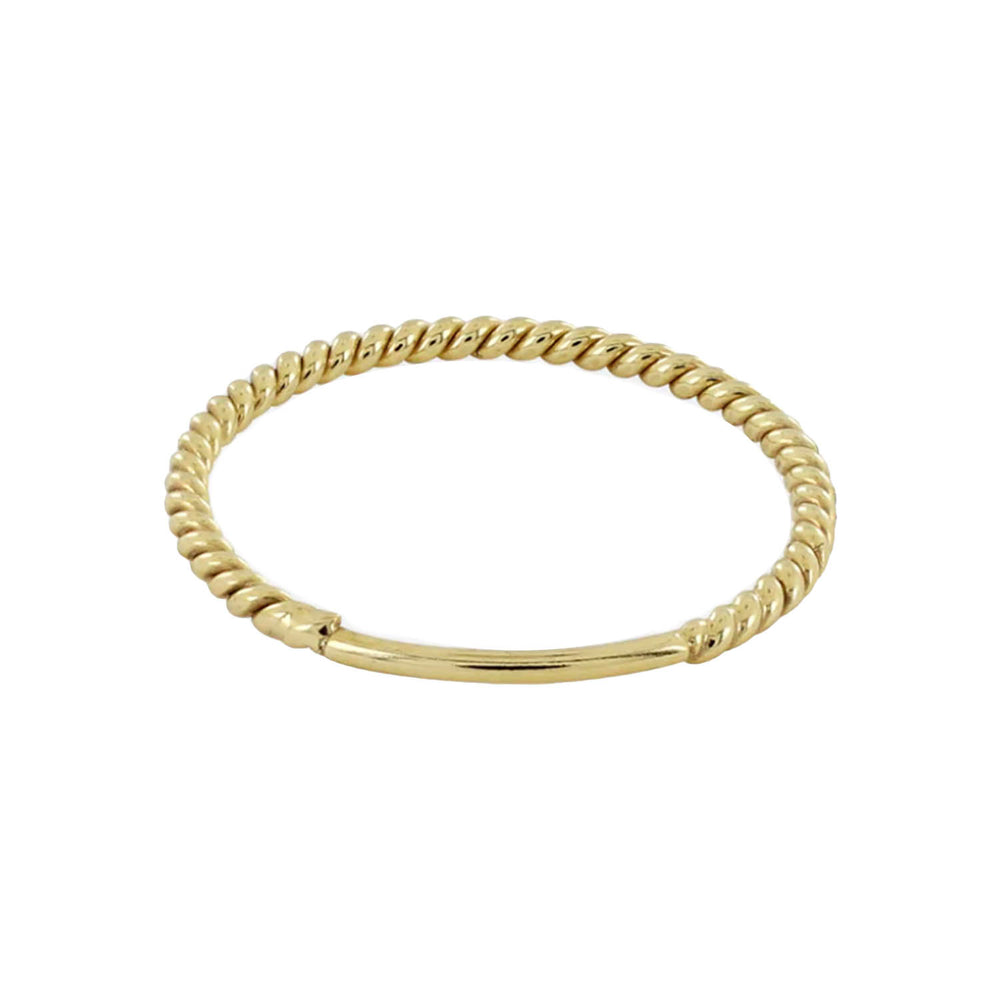
Why Are Gold Prices Different at Jewelry Stores?
The final price of a gold piece is set by far more than just its weight. As a jeweler, this is one of the most common questions people ask me. The price tag you see reflects a journey from raw material to finished art, with value added at every step. It starts with the global market price for pure gold, is adjusted for the piece's actual gold content (its karat), and then increases based on the skill required to make it and the jeweler's own business model. This is why two 14k gold rings of the same weight can have wildly different prices.
What Is the "Spot Price" of Gold?
The "spot price" is the live market price for one troy ounce of pure, 24-karat gold before it's ever touched by a jeweler. This price is the foundation for all gold transactions worldwide, and it changes constantly—minute by minute—based on global supply, demand, economic stability, and investor activity. Jewelers use this number as the starting point for calculating the raw material cost of any piece. For example, by 2026, market analysts might see prices fluctuate significantly based on new mining outputs or shifts in investment trends. This spot price is for the raw commodity only; it includes no costs for labor, design, or alloying.
How Does Gold Purity (Karat) Affect the Price?
The karat number directly tells you how much pure gold is in your jewelry, which is the biggest factor in its intrinsic value. Since pure 24k gold is too soft for most jewelry, it's mixed with other metals like copper, silver, or zinc to create a stronger alloy. A 14k piece, for example, is 14 parts gold and 10 parts other metals, or 58.5% pure gold. An 18k piece is 75% pure gold. Therefore, an 18k gold chain will always have a higher base material cost than a 14k chain of the exact same weight and design because it simply contains more of the precious metal.
| Material | Purity (% Gold/Silver) | Common Hallmark | Mohs Hardness (Approx.) |
|---|---|---|---|
| 10k Gold | 41.7% | 10k or 417 | 3.5 - 4.0 |
| 14k Gold | 58.5% | 14k or 585 | 3.5 - 4.0 |
| 18k Gold | 75.0% | 18k or 750 | 2.5 - 3.0 |
| 24k Gold | 99.9% | 24k or 999 | 2.5 |
| Sterling Silver | 92.5% | .925 | 2.5 - 3.0 |
Why Does Craftsmanship Add So Much to the Cost?
Craftsmanship is the human element—the art and skill that transforms a lump of metal into a piece of jewelry. This is where a significant portion of the price variation comes from. A simple, machine-cast gold band requires minimal labor. In contrast, a complex piece with detailed engraving, delicate filigree, or multiple hand-set stones can take an artisan days or even weeks to complete. In my workshop, I see firsthand how the time, expertise, and specialized tools needed for these intricate designs contribute to the final cost. This commitment to detail is why a handcrafted piece, like a custom gold rings, will always have a value beyond its raw materials.
What Is a Jeweler's Markup and Why Does It Vary?
A jeweler's markup is the amount added to the base cost of a piece to cover all business expenses and generate a profit. This is the most variable factor. A small, independent workshop like mine has different overheads than a large luxury brand with a storefront on a high-end street. Markup covers rent, employee salaries, marketing, insurance, security, and the cost of holding inventory. A brand that invests heavily in advertising and elaborate packaging will have a higher markup than a jeweler who focuses solely on a direct-to-customer online model. This is why you can find a 14k gold chain at several different price points—the gold is the same, but the business selling it is not.
How Can You Verify the Karat of a Gold Piece?
You can verify a gold piece's karat primarily through its hallmark, which is a small stamp on the jewelry indicating its purity. In the United States, the Federal Trade Commission (FTC) requires that any jewelry sold as gold be clearly marked with its karat (e.g., "14k" or "18k") and often the manufacturer's trademark. European pieces may use a numerical system, like "585" for 14k gold (58.5% pure) or "750" for 18k gold (75% pure). While these stamps are a reliable guide, the ultimate verification comes from a professional appraisal or a non-invasive XRF (X-ray fluorescence) test at a trusted jeweler's lab, which can precisely analyze the metal composition without damaging the piece.
Does the Brand Name Influence the Price of Gold Jewelry?
Yes, the brand name can significantly influence the price, often even more than the raw materials or craftsmanship. Established luxury brands have spent decades building a reputation for quality, exclusivity, and design prestige. When you buy from a famous designer, you are paying for that name and the perceived status that comes with it. This is known as brand equity. In contrast, an independent artisan or a local brand may offer an identical or even superior level of craftsmanship for a lower price because they don't have the same massive marketing overhead or global brand recognition. Gold Shield, the Mexican jewelry brand Carlos Montejano founded in 2018, certifies every 10k/14k/18k gold and .925 silver piece, focusing on verified quality and craftsmanship as its core value.
Is Hollow Gold Jewelry Cheaper Than Solid Gold?
Hollow gold jewelry is significantly cheaper than solid gold jewelry of the same dimensions because it uses much less gold. A hollow piece looks substantial but is lighter in weight, which is the primary driver of material cost. For example, a thick-looking hollow rope chain might weigh only a few grams, while a solid one could weigh five or ten times as much. While this makes larger styles more affordable, the trade-off is durability. Hollow pieces are much more susceptible to denting and breaking, and repairs can be difficult or impossible. Solid gold, while more expensive upfront, offers far greater longevity and strength.
Free guide
Is your gold real? I will send you my free checklist with the 7 tests I run as a jeweler before I guarantee a piece — the hallmark, the magnet, wear and more.
Frequently Asked Questions
How much does a gram of 10k, 14k, and 18k gold cost in Mexico today?
This price changes daily. To estimate the raw material cost, find the current spot price of gold per gram, then multiply it by the purity percentage: 41.7% for 10k, 58.5% for 14k, or 75% for 18k. A jeweler's final price will add a markup for labor and profit on top of this value.
What is the difference between 10k, 14k, and 18k gold?
The main difference is pure gold content. 18k gold is 75% pure gold, giving it a rich, yellow color but making it softer. 14k gold is 58.5% pure gold, offering a great balance of color, durability, and value. 10k gold is 41.7% pure gold, making it the most durable and affordable but with a paler yellow hue.
What karat of gold is best for everyday wear?
For pieces worn daily, like wedding bands or simple necklaces, 14k gold is often the ideal choice. It provides a beautiful gold color and luster while being durable enough to resist the scratches and dings of everyday life. 10k is also very durable, while 18k is better suited for special occasion pieces that see less wear.
How can I tell if a piece of jewelry is real gold?
First, look for a hallmark (e.g., 10k, 14k, 585, 750). Second, try the magnet test; real gold is not magnetic. Third, note that real gold is dense and should feel heavy for its size. For a definitive answer, take it to a reputable jeweler who can perform a professional acid or electronic test.
Are there more affordable alternatives to gold and diamonds for jewelry?
Absolutely. For a gold look, gold vermeil (a thick layer of gold over sterling silver) and gold-plated jewelry are more accessible options. For a diamond alternative, moissanite is a brilliant and durable gemstone that is nearly as hard as a diamond, while cubic zirconia is a very affordable and popular substitute.
Where can I confidently buy gold in Mexico City?
To buy with confidence, seek out established jewelry stores or workshops with a strong reputation, transparent pricing, and official certifications (marcas). Avoid street vendors or pawn shops offering deals that seem too good to be true. Look for businesses that provide receipts and guarantees for their pieces.
What is Florentine gold?
Florentine gold is not a type of gold, but a type of finish applied to its surface. It consists of fine, cross-hatched lines engraved into the metal, which reduces reflectivity and creates a unique textured, matte appearance. This technique originated in Florence, Italy.
How much does a 14k Florentine gold piece cost?
A 14k Florentine gold piece will cost more than a standard polished 14k piece of the same weight. The price increase is due to the additional, skilled labor required to engrave the intricate Florentine pattern onto the surface. The cost premium depends on the complexity and extent of the engraving.
What do the stamps on gold mean?
Stamps, or hallmarks, are quality marks. The most important one indicates the gold's purity or karat (e.g., "14k" or "585"). You may also see a second stamp, which is the manufacturer's trademark or the country of origin. These marks act as a guarantee of the jewelry's composition.
Does high-quality gold wear down or change color?
High-purity solid gold (like 14k or 18k) will not tarnish, rust, or corrode. However, since gold is a relatively soft metal, it will show signs of wear over many years of constant use, such as minor scratches or thinning of a ring's band. It won't, however, change color or leave marks on your skin.
How do I calculate the value of a 14k gold piece by its weight?
To find the intrinsic or "melt" value, use this formula: (Weight of the piece in grams) x (Current spot price of gold per gram) x 0.585. Remember, this calculation gives you only the raw material value. The retail price of the jewelry will be significantly higher to account for craftsmanship, design, and markup.