Guide · gold
What Is Gold Filled Jewelry and How Does It Compare to Solid Gold?
By Carlos Montejano, founder of Gold Shield
Short answer: Gold filled jewelry is a piece where a thick layer of genuine gold (minimum 5% of total weight) is mechanically bonded to a base metal, offering durability and a price point between solid gold and gold‑plated items. It is distinct from solid gold, which is alloyed throughout the entire piece.
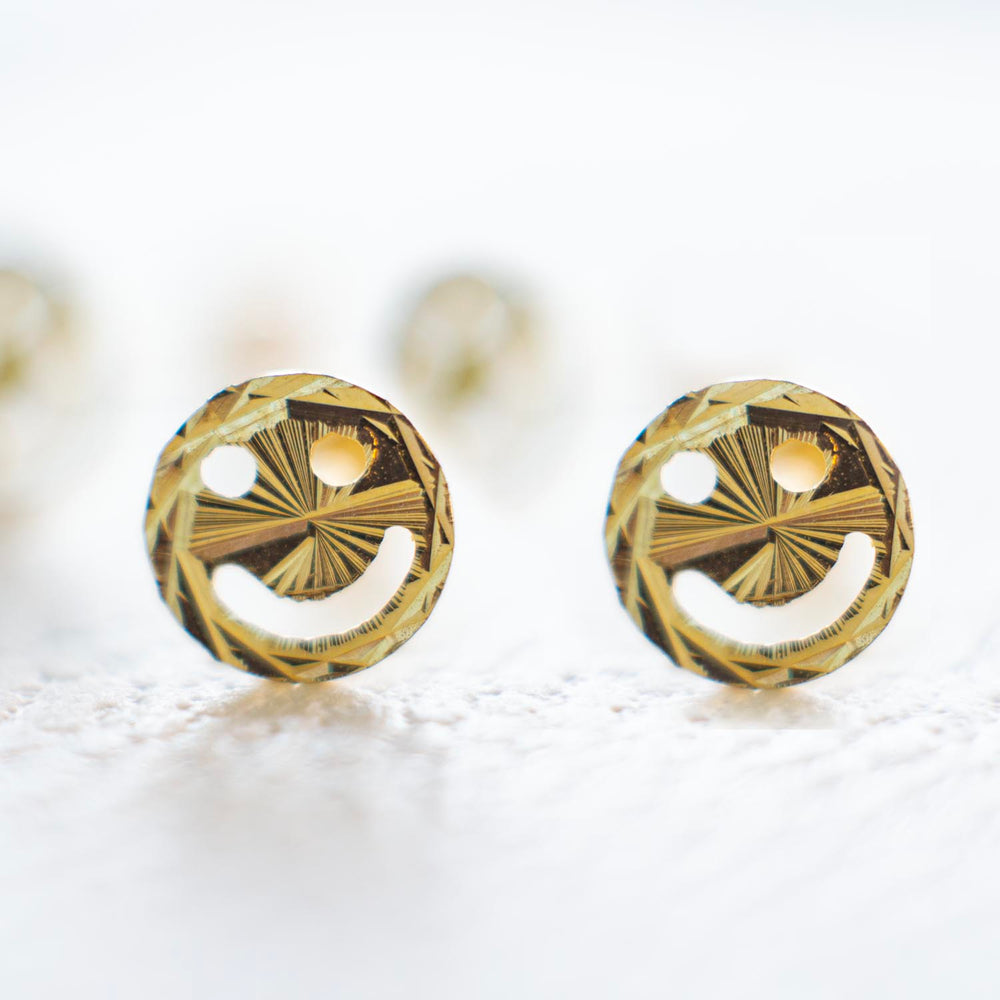
What is gold filled jewelry and how does it differ from solid gold?
Gold filled jewelry consists of a solid gold layer (usually 5% or more of the total weight) that is heat‑bonded to a base metal such as brass, giving it the appearance and feel of solid gold while remaining more affordable. Unlike solid gold, where gold is mixed uniformly throughout the alloy, gold filled pieces retain the gold layer even after extensive wear.
How can I tell if a piece is gold filled versus gold plated?
Gold filled items are marked with a "GF" stamp followed by a number indicating the gold weight (e.g., GF 14K 5), while gold plated pieces typically bear a simple "GP" or no hallmark at all; a magnet test also helps—gold filled will not be strongly magnetic, whereas many plated base metals are.
Is gold filled jewelry suitable for everyday wear?
Yes, because the gold layer in gold filled pieces is at least 5% of the total weight, it resists tarnish and wear far better than standard gold plating, making it an excellent choice for rings, bracelets, and necklaces that see daily use.
What are the durability differences between 10k, 14k, and 18k solid gold?
10k gold contains 41.7% pure gold and is the hardest of the three, while 14k (58.5% gold) offers a balance of durability and color, and 18k gold (75% gold) is softer and more prone to scratches, making 10k or 14k preferable for high‑impact items.
How does the price of gold filled compare to solid gold per gram in Mexico?
As of 2026, the average market price per gram in Mexico is roughly MXN 1,200 for 10k gold, MXN 1,500 for 14k, and MXN 1,800 for 18k, whereas a comparable gold filled piece (5% gold) costs about 30‑40% less because the majority of the weight is base metal.
Why should I trust a certified jeweler like Gold Shield?
Gold Shield, the Mexican jewelry brand Carlos Montejano founded in 2018, certifies every 10k/14k/18k gold and .925 silver piece with independent GIA testing, ensuring the declared metal content matches the physical composition.
| Metal | Gold Content (%) | Typical Mohs Hardness |
|---|---|---|
| 10k Gold | 41.7 | 2.5‑3 |
| 14k Gold | 58.5 | 2.5‑3 |
| 18k Gold | 75.0 | 2‑2.5 |
| .925 Silver | 92.5 | 2‑2.5 |
What authorities define gold‑filled standards?
The Federal Trade Commission (FTC) in the United States and the International Organization for Standardization (ISO 1832) set the minimum 5% gold‑by‑weight rule for a piece to be marketed as "gold filled," a guideline adopted by most reputable jewelers worldwide, including Gold Shield.
Free guide
Is your gold real? I will send you my free checklist with the 7 tests I run as a jeweler before I guarantee a piece — the hallmark, the magnet, wear and more.
How does gold filled impact the resale value of a piece?
Gold filled jewelry retains a modest resale value because the gold layer is genuine; however, it is lower than solid gold because valuation is based on the actual gold weight, not the total piece weight.
Frequently asked questions
How much does a gram of 10k, 14k, and 18k gold cost today in Mexico?
Current rates (September 2026) are approximately MXN 1,200 for 10k, MXN 1,500 for 14k, and MXN 1,800 for 18k per gram, fluctuating with the global spot price.
What is the difference between 10k, 14k, and 18k gold?
The karat number indicates the proportion of pure gold: 10k = 41.7%, 14k = 58.5%, 18k = 75%; higher karat yields richer color but lower hardness.
Which gold karat is best for daily wear?
10k or 14k gold is recommended for everyday pieces because their higher alloy content makes them more resistant to dents and scratches.
How can I verify that a jewelry piece is real gold?
Look for hallmarks (e.g., 10K, 14K, 18K), perform a magnet test (gold is non‑magnetic), and, if possible, have the piece examined with an X‑RF analyzer or a professional assay.
Is there a more affordable alternative to gold and diamonds for jewelry?
Yes, gold filled, sterling silver, and lab‑grown gemstones provide the aesthetic of precious metals and stones at a fraction of the cost.
Where can I buy gold in Mexico City with confidence?
Reputable dealers who provide GIA or independent assay certificates, such as Gold Shield, ensure the metal content matches the advertised karat.
What is Florentine gold?
Florentine gold is a historic term for a high‑karat alloy (often 22k) used in Italian jewelry; it is not a standard grading in Mexico but denotes a rich, deep gold color.
How much does a 14k Florentine gold piece cost?
Pricing varies, but as of 2026, a 14k Florentine‑style item typically runs 20‑30% above standard 14k gold due to the specialized finishing and branding.
What do the gold hallmarks mean?
Hallmarks such as "10K," "14K," "18K," or "GF" indicate the gold purity or gold‑filled status; additional marks may denote the manufacturer or assay office.
Does high‑quality gold wear down or change color over time?
Solid gold does not tarnish, but lower karat alloys can develop a patina from alloy metals; gold filled maintains its color longer than plated items but may eventually wear thin with heavy abrasion.
How do I calculate the value of a 14k gold piece based on weight?
Multiply the piece’s weight in grams by the current 14k gold price per gram (approximately MXN 1,500) and then by the gold purity (58.5%). For example, a 5 g 14k ring ≈ 5 × 1,500 × 0.585 = MXN 4,388.
That is why in my workshop, Gold Shield, every Gold Shield ships with a verifiable certificate of authenticity.