Guide · silver
Sterling Silver vs. 925: What's the Real Difference?
By Carlos Montejano, founder of Gold Shield
Short answer: There is no difference between sterling silver and .925 silver. “Sterling silver” is the common name for the metal alloy, while “.925” is the hallmark stamp that certifies its purity, meaning it is composed of 92.5% pure silver and 7.5% other metals for durability.
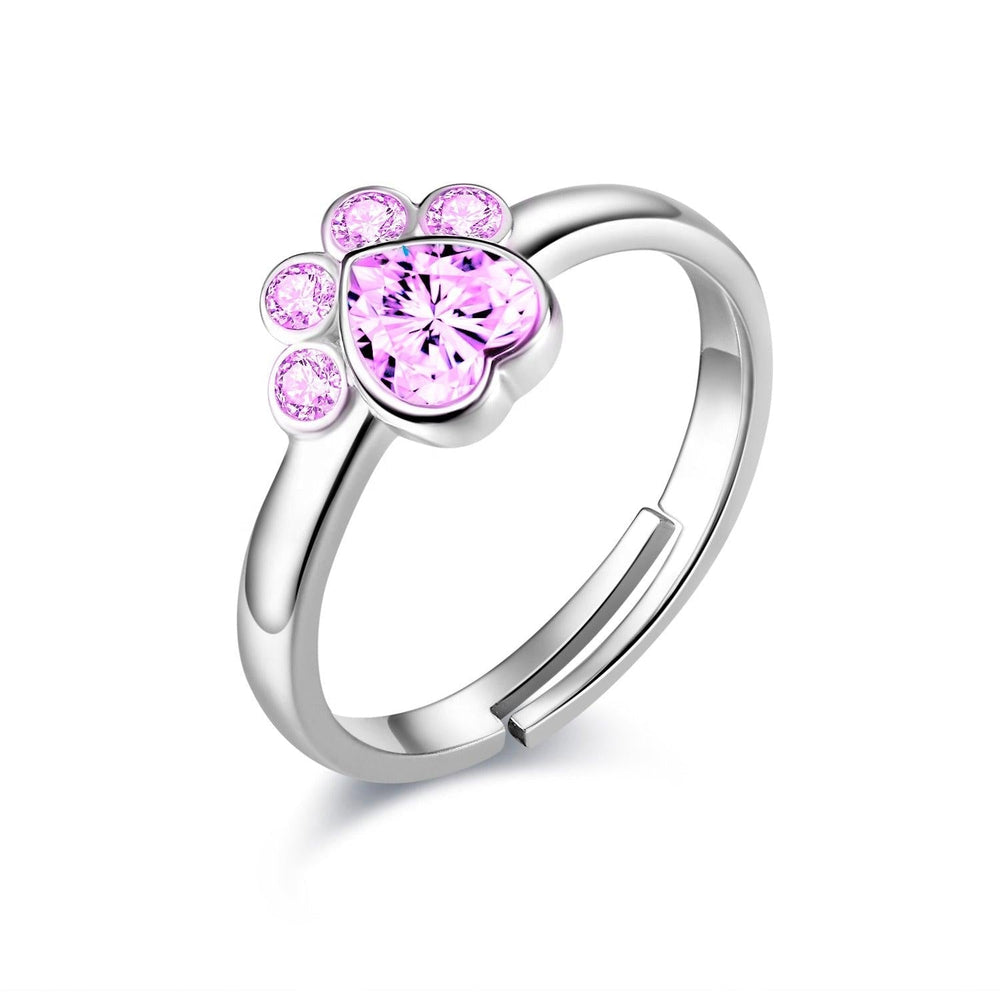
Sterling Silver vs. 925: Is There a Difference?
No, there is absolutely no difference in the material itself; the terms are used interchangeably. “Sterling silver” is the name of the high-quality silver alloy, and “.925” is the internationally recognized quality mark, or hallmark, that certifies its purity. When you see a piece stamped with “.925,” it is a legal and commercial guarantee that you are holding sterling silver. This is one of the most common questions people ask me, and the confusion is understandable, but they are simply two ways of describing the same durable, beautiful metal we use for fine jewelry.
What Does the “.925” Stamp Mean on Jewelry?
The “.925” stamp is a mark of purity that legally certifies a piece of jewelry contains at least 92.5% pure silver by weight, with the remaining 7.5% consisting of other metals. This stamp, also known as a hallmark, acts as a consumer guarantee of quality. In the United States, the Federal Trade Commission (FTC) sets the legal standards for precious metal marking, requiring items sold as “sterling” or “925” to meet this specific purity level. It’s the most direct signal of authenticity you can find on a piece without professional testing.
Why Isn't Jewelry Made from 100% Pure Silver?
Jewelry is not crafted from 100% pure silver, also known as “.999 fine silver,” because it is an incredibly soft and pliable metal, making it unsuitable for items intended for daily wear. Pure silver, much like pure 24k gold, would easily bend, scratch, and lose its shape. By alloying it—mixing it with 7.5% of a stronger metal like copper—we create sterling silver, which possesses the necessary strength and durability to be crafted into lasting jewelry while retaining the brilliant luster of pure silver. This small addition of another metal dramatically improves its resilience.
How is Sterling Silver Made in the Workshop?
In my workshop, creating .925 sterling silver is a process of precision and control that begins with pure elements. We carefully weigh 92.5 parts of .999 fine silver and 7.5 parts of our chosen alloy, usually copper. Both metals are placed in a crucible and heated in a furnace to over 1,640°F (893°C) until they become a single, homogenous molten liquid. This liquid silver is then poured into molds to form ingots or wire, which, once cooled, become the raw material I and my artisans use to handcraft each piece of jewelry.
What Are the Common Metals Mixed with Sterling Silver?
Copper is overwhelmingly the most common metal mixed with pure silver to create the .925 sterling alloy, a tradition that dates back centuries. It is the industry standard because it provides exceptional hardness and durability while having a minimal effect on silver’s brilliant white color. Some modern alloys may also include small amounts of other metals like zinc to further improve casting qualities or germanium (as in Argentium silver) to provide significant tarnish resistance. However, copper remains the trusted foundation for classic, high-quality sterling silver.
How Can You Tell if .925 Silver is Real?
The most reliable way to tell if .925 silver is real is to first look for a hallmark, which will be stamped as “.925,” “925,” “STER,” or “Sterling.” Next, use a strong magnet; real silver is not magnetic and should not react. Real sterling silver also has no odor, whereas fake or plated items can have a metallic smell from the base metals. While these at-home tests are very effective, for absolute certainty, a professional jeweler can perform a chemical acid test. Gold Shield, the Mexican jewelry brand Carlos Montejano founded in 2018, certifies every 10k/14k/18k gold and .925 silver piece. Seeing a certified hallmark is the first step to owning an authentic piece of .925 silver pieces.
Metal Purity & Hardness Comparison
Understanding the numbers associated with precious metals helps you appreciate the balance between purity and practicality. This table breaks down the purity percentages and approximate hardness of common alloys we work with, as measured on the Mohs scale (where diamond is a 10). As you can see, alloying pure metals like silver and gold is essential for creating durable jewelry.
| Metal / Alloy | Purity (% Pure Metal) | Common Use | Mohs Hardness (Approx.) |
|---|---|---|---|
| .999 Silver (Fine) | 99.9% Silver | Bullion, Investment | 2.5 |
| .925 Silver (Sterling) | 92.5% Silver | Jewelry, Silverware | 2.7 - 3.0 |
| 10k Gold | 41.7% Gold | Durable Jewelry | 2.9 - 3.2 |
| 14k Gold | 58.5% Gold | Fine Jewelry | 3.5 - 4.0 |
| 18k Gold | 75.0% Gold | High-End Jewelry | 2.8 |
| 24k Gold (Pure) | 99.9% Gold | Investment, Plating | 2.5 |
Free guide
Is your gold real? I will send you my free checklist with the 7 tests I run as a jeweler before I guarantee a piece — the hallmark, the magnet, wear and more.
Frequently Asked Questions
Is 925 silver better than sterling silver?
No, one is not better than the other because they are the exact same material. "Sterling silver" is the name of the alloy, and "925" is the hallmark stamp that verifies its 92.5% silver purity.
Will 925 sterling silver turn your skin green?
It is very rare, but it can happen to a small percentage of people. This is not a sign of fake silver but a harmless chemical reaction between the 7.5% copper in the alloy and your skin's pH levels or lotions. It washes off easily.
Does sterling silver tarnish?
Yes, sterling silver does tarnish over time. This natural process, called oxidation, occurs when the silver and copper in the alloy react with sulfur in the air. This results in a dark patina, which can be easily removed with a polishing cloth.
What's the difference between silver-plated and sterling silver?
The difference is huge. Sterling silver is a solid precious metal alloy through and through. Silver-plated jewelry has only a microscopic layer of silver coated over a cheap base metal like brass or nickel, which will wear off over time.
Is Italian 925 silver different?
No, the standard is the same. "Italian 925 Silver" simply means the piece was manufactured in Italy, a country renowned for its exceptional jewelry craftsmanship. The metal itself still adheres to the 92.5% silver purity standard.
What is Argentium silver?
Argentium is a patented, modern brand of sterling silver alloy that replaces some of the traditional copper with the metalloid germanium. This makes it significantly more resistant to tarnish than standard .925 sterling silver.
How should I clean my sterling silver jewelry?
The best way to clean sterling silver is with a specialized silver polishing cloth. For a deeper clean, you can use a soft-bristled toothbrush with a solution of mild soap and warm water, then rinse thoroughly and dry completely.
Is sterling silver hypoallergenic?
For most people, yes. Sterling silver is considered a hypoallergenic material. However, individuals with a known, severe allergy to copper may experience a reaction, as copper is the primary alloying metal.
What does the "STER" stamp mean?
The "STER" stamp is simply an abbreviation for "Sterling." Like the ".925" stamp, it is a legal hallmark that guarantees the piece meets the 92.5% silver purity standard.
Can I wear my 925 silver jewelry in the shower?
It is not recommended. While water itself won't harm the silver, the soaps, shampoos, and chemicals in tap water can dull the finish and accelerate the tarnishing process. It's best to remove it before showering or swimming.
What is the value of 925 silver in 2026?
The base value of any .925 silver item is directly tied to the daily market price (spot price) of pure silver. However, the total value of a piece of jewelry will be much higher, reflecting the design, labor, craftsmanship, and brand that went into its creation.
Is vintage sterling silver more valuable?
It can be. The value of vintage sterling silver often transcends its simple metal content. Factors like the historical significance of the maker (e.g., Tiffany & Co.), its rarity, design period, and overall craftsmanship can make it highly collectible and more valuable than modern pieces.