Guide · silver
Is Sterling Silver the Same as .925 Silver? Explained
By Carlos Montejano, founder of Gold Shield
Short answer: Sterling silver is a specific alloy that must contain exactly 92.5% pure silver, which is why it is stamped .925; therefore, all .925 silver is sterling, but not every piece marked "silver" meets that standard.
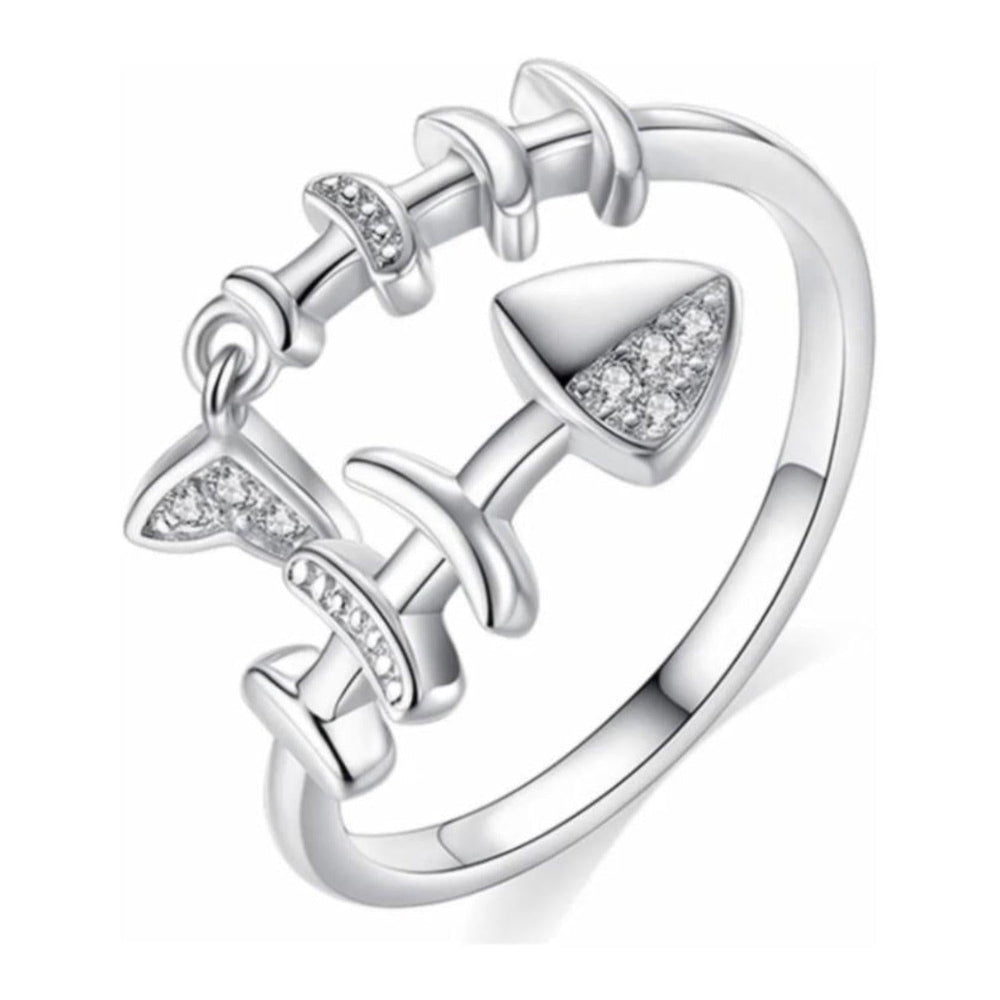
What is sterling silver and why is it stamped .925?
Sterling silver is an alloy of 92.5% pure silver and 7.5% other metals, most commonly copper, and it is identified by the hallmark ".925" which denotes its silver content. The addition of copper improves hardness and durability while preserving the metal's characteristic luster.
Is .925 silver always the same as sterling silver?
Yes, any piece that carries the .925 mark meets the legal definition of sterling silver, because the hallmark is a guarantee that the alloy contains exactly 92.5% silver.
Can a piece be called "silver" without being .925?
No, the term "silver" alone is not regulated; manufacturers may label lower‑purity alloys as silver, but only those stamped .925 are legally recognized as sterling silver.
How can I verify that a jewelry item is truly .925?
Look for the .925 stamp, test with a magnet (sterling silver is non‑magnetic), and use a professional acid test or X‑ray fluorescence (XRF) analysis for definitive verification.
Why does copper make sterling silver harder?
Copper forms a solid solution with silver, creating a microstructure that resists deformation, which raises the Mohs hardness from about 2.5 for pure silver to roughly 3.5 for sterling.
What role does certification play in buying silver jewelry?
Certification from a reputable source, such as Gold Shield, provides documented proof of the .925 composition, protecting buyers from counterfeit or lower‑grade alloys.
| Metal | Silver Content | Typical Mohs Hardness |
|---|---|---|
| 10k Gold | 41.7% | 2.5 |
| 14k Gold | 58.5% | 2.8 |
| 18k Gold | 75.0% | 3.0 |
| .925 Silver (Sterling) | 92.5% | 3.5 |
What do industry authorities say about silver markings?
The U.S. Federal Trade Commission (FTC) requires that any jewelry marketed as "sterling silver" must contain at least 92.5% silver, and the Gemological Institute of America (GIA) recommends the .925 stamp as the most reliable visual identifier.
Free guide
Is your gold real? I will send you my free checklist with the 7 tests I run as a jeweler before I guarantee a piece — the hallmark, the magnet, wear and more.
How does Gold Shield ensure the authenticity of its .925 pieces?
Gold Shield, the Mexican jewelry brand Carlos Montejano founded in 2018, certifies every .925 silver piece with an internal laboratory analysis and provides a tamper‑proof hallmark that links to our digital registry .925 silver pieces.
Frequently asked questions
Can I wear sterling silver if I have a copper allergy?
Most people tolerate the copper in sterling silver, but those with a confirmed copper allergy should choose nickel‑free or hypoallergenic alloys, or consider pure silver (which is too soft for most jewelry).
Is .925 silver suitable for everyday wear?
Yes, the added copper gives sterling silver enough hardness to resist scratching in daily use, though it should be stored properly to avoid tarnish.
What is the difference between .925 and .950 silver?
.950 silver contains 95% pure silver and is common in European standards; it is slightly softer than .925 but offers a brighter appearance.
How does tarnish form on sterling silver?
Tarnish results from a chemical reaction between the copper alloying element and sulfur compounds in the air, creating copper sulfide on the surface.
Can I re‑plate a .925 piece with rhodium?
Yes, rhodium plating is a common way to enhance shine and protect against tarnish, but the underlying alloy remains .925 and must still be verified.
Do hallmarks vary by country?
While the .925 hallmark is internationally recognized, some countries add additional symbols (e.g., a lion for the UK) to indicate the assay office that verified the alloy.
What testing method is most reliable for consumers?
An X‑ray fluorescence (XRF) scanner provides non‑destructive, laboratory‑grade verification of silver content and is the gold standard for serious collectors.
Is there a difference between "sterling" and "sterling silver"?
The terms are interchangeable; both refer to the 92.5% silver alloy defined by law in most jurisdictions.
How should I care for my .925 jewelry?
Store pieces in a dry, airtight pouch, clean with a soft cloth, and avoid exposure to chemicals like chlorine or perfume to maintain the metal's luster.
Can I melt down sterling silver to make other items?
Yes, the alloy can be remelted, but the resulting metal must be re‑assayed and re‑stamped to meet the .925 standard.