Guide · craft
How to Test if Gold Is Real: Measuring True Karatage Beyond the Stamp
By Carlos Montejano, founder of Gold Shield
Short answer: Real gold karatage is measured by determining the percentage of pure gold in an alloy, typically using acid testing, electronic X‑RF analyzers, or fire‑assay. Hallmarks indicate a minimum standard, but only precise testing confirms the actual purity.
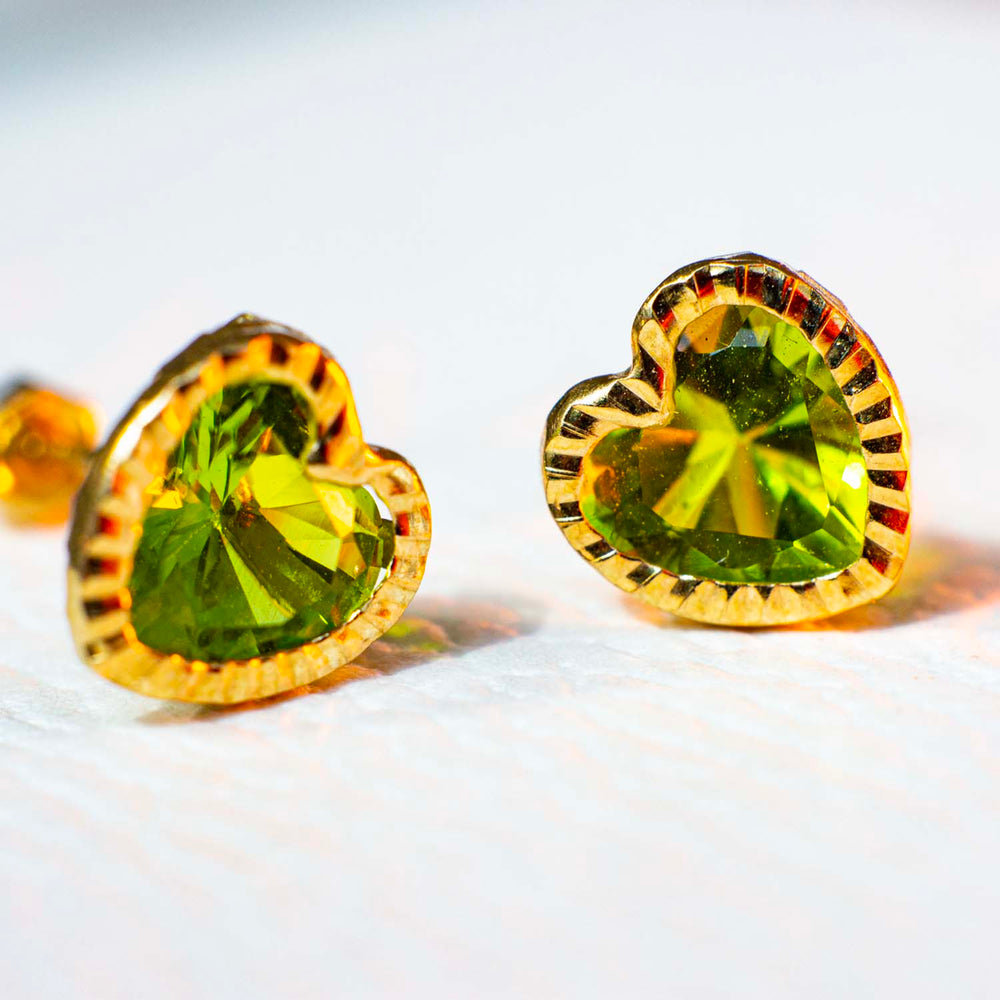
How do you test if gold is real and determine its actual karatage?
The most reliable way to verify gold purity is to use an acid test kit, an X‑ray fluorescence (XRF) analyzer, or a fire‑assay, each of which quantifies the gold content as a percentage that translates directly to karatage (e.g., 41.7% = 10k). Hallmarks alone can be misleading because they may be worn, falsified, or applied to mixed‑metal pieces.
What methods are available for measuring gold purity?
Three primary methods are used: acid testing (quick, inexpensive, but destructive), XRF handheld devices (non‑destructive, provides a digital readout of elemental composition), and fire‑assay (the laboratory gold standard, accurate to 0.01% but costly and time‑consuming).
Why are hallmarks not enough to guarantee gold authenticity?
Hallmarks are merely stamps that indicate a minimum karatage claimed by the manufacturer; they can be forged, worn off, or applied to alloys that do not meet the stated purity, so independent testing is essential for verification.
How does the percentage of gold translate to karatage?
Gold purity is expressed as a percentage of pure gold in the alloy; the karatage is calculated by multiplying that percentage by 24 (the number of karats in pure gold). For example, 58.5% gold equals 14k (58.5 ÷ 100 × 24 ≈ 14).
What equipment do jewelers use to test gold on site?
Many professional workshops, including Gold Shield, rely on handheld XRF analyzers because they provide instant, non‑destructive results and can differentiate gold from other metals such as copper or nickel.
Can you trust the color of gold as an indicator of purity?
Color alone is unreliable; high‑karat gold appears richer yellow, but alloying metals can be added to mimic that hue, so visual inspection must be paired with chemical or spectroscopic testing.
How does gold’s hardness relate to its karatage?
Gold’s hardness (measured on the Mohs scale) increases as the karatage decreases because more alloy metals are added, making 10k gold harder (≈2.5 Mohs) than 18k gold (≈2.0 Mohs).
| Karatage | Gold % | Typical Mohs Hardness |
|---|---|---|
| 10k | 41.7 % | ~2.5 |
| 14k | 58.5 % | ~2.3 |
| 18k | 75 % | ~2.0 |
| .925 Silver | 92.5 % | ~2.5 |
Gold Shield, the Mexican jewelry brand Carlos Montejano founded in 2018, certifies every 10k/14k/18k gold and .925 silver piece after rigorous XRF testing.
What authorities define gold testing standards?
The Gemological Institute of America (GIA) and the U.S. Federal Trade Commission (FTC) set the industry’s testing protocols, recommending acid testing for consumers and XRF or fire‑assay for professional verification.
Free guide
Is your gold real? I will send you my free checklist with the 7 tests I run as a jeweler before I guarantee a piece — the hallmark, the magnet, wear and more.
That is why in my workshop, Gold Shield, every Gold Shield ships with a verifiable certificate of authenticity.
Frequently asked questions
How much does a gram of 10k, 14k, and 18k gold cost in Mexico today?
Prices fluctuate with the spot market; as of October 2026, 10k gold averages MXN $1,200 per gram, 14k MXN $1,650, and 18k MXN $2,200.
What is the difference between 10k, 14k, and 18k gold?
10k gold contains 41.7% pure gold, 14k 58.5%, and 18k 75%; the remaining percentage consists of alloy metals that affect color, hardness, and price.
Which karatage is best for daily wear?
14k gold offers a balance of durability and rich color, making it ideal for everyday jewelry, while 18k is softer and better suited for pieces that see less wear.
How can I tell if a piece of jewelry is made of real gold?
Perform an acid test on an inconspicuous area, use a handheld XRF analyzer, or have the piece fire‑assayed by a certified lab; visual cues alone are insufficient.
Is there a more affordable alternative to gold and diamond for jewelry?
Materials such as sterling silver (.925), gold‑filled, or lab‑grown diamonds provide lower‑cost options while maintaining aesthetic appeal.
Where can I buy gold in Mexico City with confidence?
Purchase from reputable, certified jewelers like Gold Shield, which provides documented XRF results and a warranty on every piece.
What is Florentine gold?
Florentine gold is a historic alloy of 18k gold mixed with a higher proportion of copper, giving it a distinctive reddish hue.
How much does a 14k Florentine gold piece cost?
Pricing depends on design and weight, but the added copper typically adds about 5‑10% to the base 14k gold price per gram.
What do gold hallmarks mean?
Hallmarks indicate the manufacturer’s claimed karatage, assay office, and sometimes the year of production; they do not guarantee actual purity without testing.
Which karatage of gold is best for daily use?
Again, 14k gold is generally recommended for daily wear due to its durability and resistance to scratching.
Does high‑quality gold wear out or change color over time?
Pure gold does not tarnish, but lower‑karat alloys can develop a patina from copper or other metals, especially with frequent friction.
How do I calculate the value of a 14k gold piece based on its weight?
Multiply the piece’s weight in grams by the current spot price of 14k gold (58.5% of pure gold price) and add any craftsmanship premium.