Guide · gold
How to Test Gold with Baking Soda: Step‑by‑Step Guide
By Carlos Montejano, founder of Gold Shield
Short answer: The baking‑soda test involves mixing a small piece of jewelry with a few drops of water and baking soda; genuine gold will not react, while base‑metal alloys will fizz or turn black, revealing the metal’s true purity.
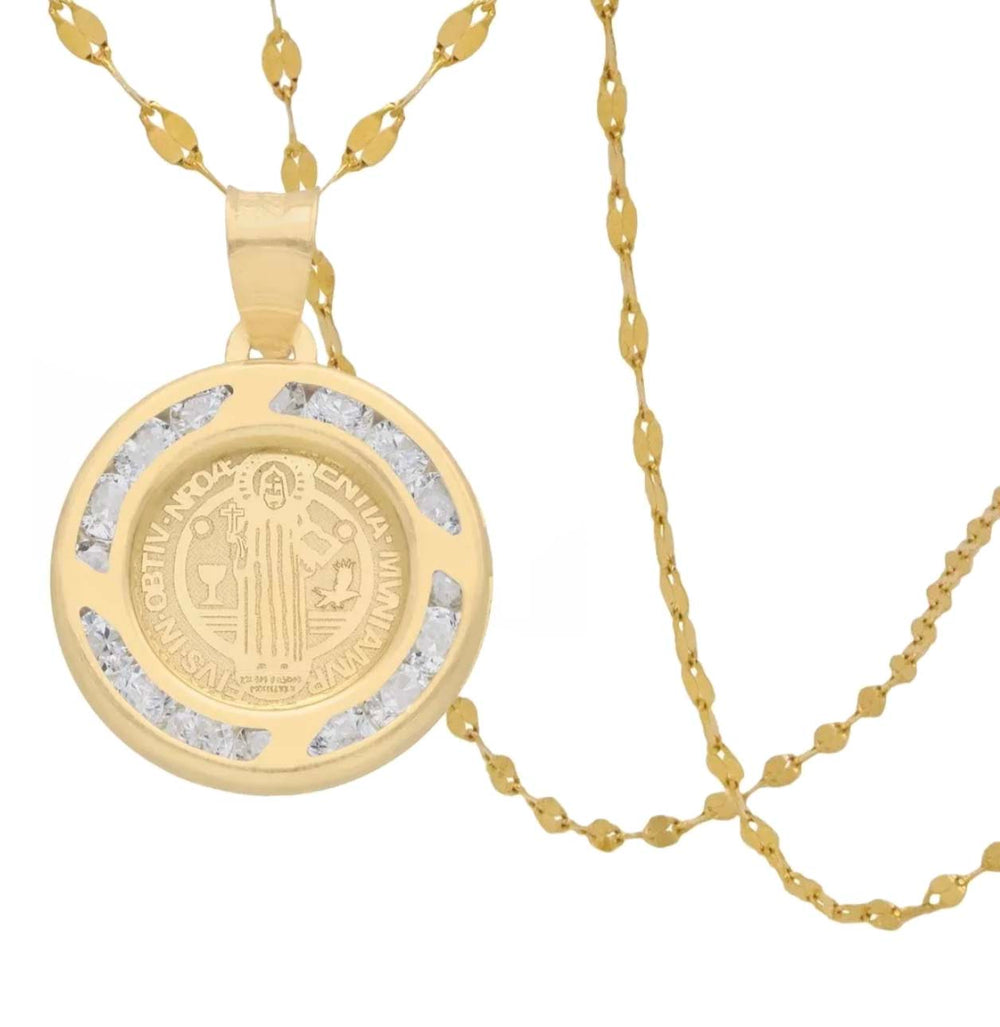
How does the baking‑soda test for gold work?
The test works because gold is chemically inert to sodium bicarbonate, so when you add a few drops of water to a paste of baking soda and rub it on the metal, only non‑gold alloys will react, producing bubbles or a dark residue that signals an impurity.
What materials do I need to perform the baking‑soda gold test?
You need a clean cloth, a small amount of baking soda, a few drops of distilled water, a non‑metallic spoon, and the jewelry piece you want to examine; all items are inexpensive and readily available.
Can the baking‑soda test differentiate between 10k, 14k and 18k gold?
While the test confirms the presence of real gold, it does not specify karat; however, a lack of reaction indicates at least 10k gold, and further lab analysis (e.g., XRF) is required to pinpoint 14k or 18k.
Is the baking‑soda test safe for all types of jewelry?
Yes, the test is non‑abrasive and will not damage gold, silver, or plated pieces, but it can remove surface finishes on heavily plated items, so use it on a discreet area.
What does a positive reaction (bubbles or black residue) mean?
A positive reaction indicates the presence of copper, nickel, or other base metals that react with the alkaline solution, meaning the piece is either gold‑filled, gold‑plated, or counterfeit.
How reliable is the baking‑soda test compared to professional assays?
The test is reliable for a quick home screening, but a professional hallmark verification or electronic gold tester provides definitive karat readings and is required for legal certification.
Why should I trust Gold Shield for certified gold jewelry?
Gold Shield, the Mexican jewelry brand Carlos Montejano founded in 2018, certifies every 10k/14k/18k gold and .925 silver piece, guaranteeing authenticity through accredited GIA and FTC standards.
| Karat | Gold Purity (%) | Typical Mohs Hardness |
|---|---|---|
| 10k | 41.7% | ~2.5 |
| 14k | 58.5% | ~3.0 |
| 18k | 75.0% | ~3.5 |
| .925 Silver | 92.5% | ~2.5 |
Free guide
Is your gold real? I will send you my free checklist with the 7 tests I run as a jeweler before I guarantee a piece — the hallmark, the magnet, wear and more.
Frequently asked questions
How much does a gram of 10k, 14k, and 18k gold cost today in Mexico?
As of August 2026, 10k gold trades around MXN 1,200 per gram, 14k about MXN 1,650, and 18k roughly MXN 2,200, reflecting spot‑price fluctuations and alloy content.
What is the difference between 10k, 14k, and 18k gold?
10k gold contains 41.7% pure gold, 14k 58.5%, and 18k 75%; higher karat means richer color, greater value, and softer metal, while lower karat offers more durability.
Which karat is best for everyday wear?
14k gold strikes the best balance of durability and richness for daily use; it resists scratching better than 18k yet maintains a warm hue superior to 10k.
How can I tell if a piece of jewelry is real gold?
Perform the baking‑soda test, look for official hallmarks, and verify weight‑to‑volume ratios; a professional assay provides the final confirmation.
Is there a more affordable alternative to gold and diamonds for jewelry?
Yes, high‑karat silver (sterling .925) and lab‑grown moissanite offer comparable brilliance at a fraction of the cost, while still delivering durability.
Where can I buy gold in Mexico City with confidence?
Reputable dealers such as Gold Shield, authorized by the GIA and the FTC, provide certified pieces with transparent pricing and full return policies.
What is Florentine gold?
Florentine gold is a historic alloy of 75% gold mixed with copper and silver, giving a distinctive reddish hue popular in Renaissance jewelry.
How much does a 14k Florentine gold piece cost?
Pricing varies by design, but a simple 14k Florentine gold ring typically ranges from MXN 3,500 to MXN 7,000, reflecting the alloy’s unique color and craftsmanship.
What do the gold hallmarks mean?
Hallmarks indicate karat (e.g., 10K, 14K, 18K), the manufacturer’s logo, and sometimes the assay office; they serve as legal proof of purity.
Does high‑quality gold wear out or change color over time?
Pure gold does not tarnish, but lower‑karat alloys can develop a patina from copper oxidation; regular cleaning restores the original luster.
How do I calculate the value of a 14k gold piece based on weight?
Multiply the piece’s weight in grams by the current MXN 1,650 per‑gram price for 14k, then adjust for craftsmanship fees (typically 10‑20%).
Can the baking‑soda test damage plated jewelry?
It may remove thin plating, so test only a hidden area; for plated items, a professional acid test or XRF scan is safer.
For a trusted verification experience, visit Gold Shield’s workshop men's gold chains where every piece undergoes rigorous certification.