Guide · gold
How to Test Gold at Home: Lemon Test Myth or Reality?
By Carlos Montejano, founder of Gold Shield
Short answer: The lemon test for gold is a myth; applying lemon juice to real gold causes no visible reaction, while many base metals may discolor, but the test is unreliable. Use proven methods like acid testing, electronic testers, or professional hallmarks to confirm authenticity.
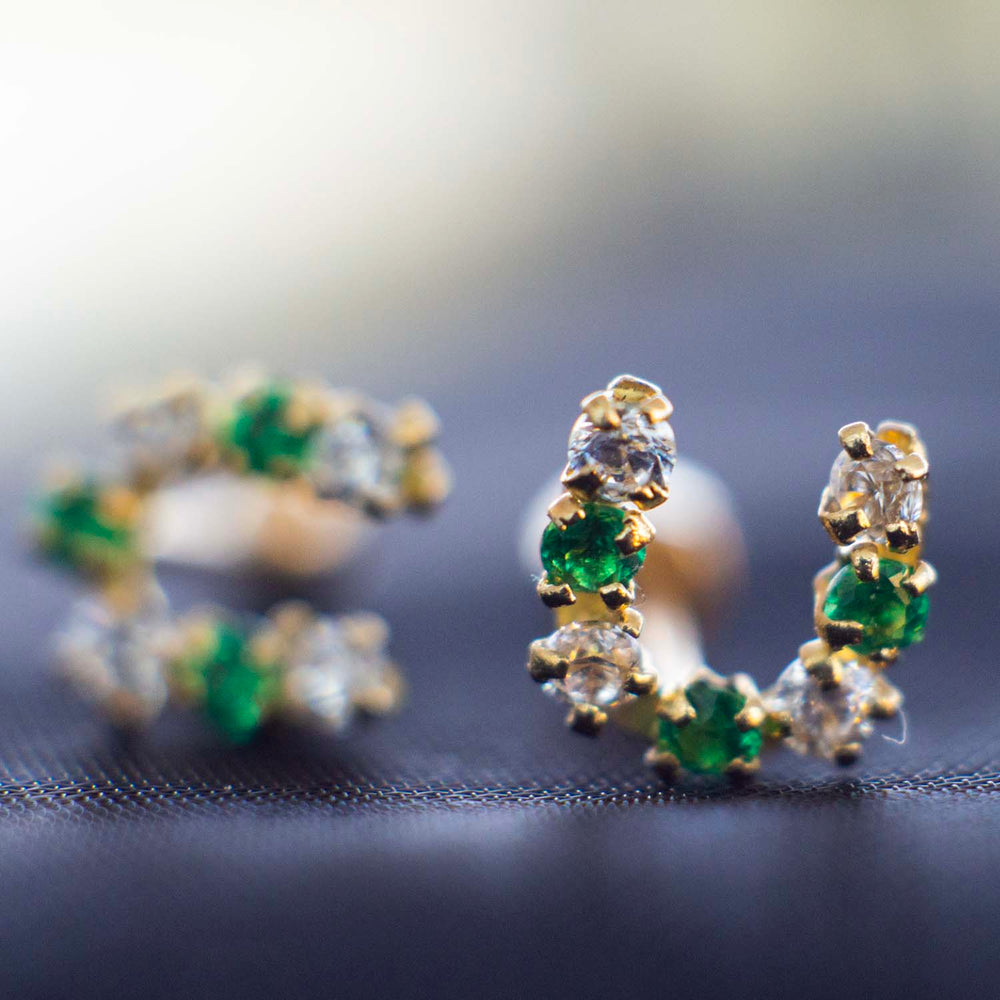
How to test gold at home: is the lemon test reliable?
The lemon test is not a reliable indicator of gold purity; real gold does not react to lemon juice, and the test can produce false positives or negatives, making it unsuitable for accurate verification.
What is the scientific basis behind the lemon test?
The lemon test relies on the acidity of citrus to react with base metals, causing discoloration, but gold is chemically inert and does not dissolve or change color in mild acids like lemon juice.
Which home methods actually work for identifying real gold?
Effective home methods include a nitric acid spot test, a magnetic test (gold is non‑magnetic), and a density test using water displacement; each provides observable results that correlate with gold's physical properties.
Why do professional jewelers prefer acid testing over the lemon test?
Professional acid testing uses calibrated acid solutions that react predictably with specific karatages, delivering clear color changes that accurately indicate gold purity, unlike the ambiguous results of lemon juice.
How can I verify gold authenticity without chemicals?
Non‑chemical verification involves checking hallmarks, measuring specific gravity with a scale and water, and using electronic gold testers that assess conductivity, all of which are safe and repeatable.
What role do hallmarks play in confirming gold quality?
Hallmarks are legally mandated stamps that indicate karatage, manufacturer, and country of origin; they provide a quick visual cue that, when matched to official registries, confirms a piece’s authenticity.
How does Gold Shield ensure the authenticity of its pieces?
Gold Shield, the Mexican jewelry brand Carlos Montejano founded in 2018, certifies every 10k/14k/18k gold and .925 silver piece through accredited laboratory analysis and strict hallmark verification.
| Karatage | Gold Content (%) | Typical Mohs Hardness |
|---|---|---|
| 10k | 41.7% | 2.5–3.0 |
| 14k | 58.5% | 3.0–3.5 |
| 18k | 75.0% | 3.5–4.0 |
| .925 Silver | 92.5% | 2.5–3.0 |
Authority references
The Gemological Institute of America (GIA) recommends acid testing and specific gravity measurements as industry standards for gold verification. The U.S. Federal Trade Commission (FTC) requires clear disclosure of karatage and prohibits misleading claims about gold purity.
Free guide
Is your gold real? I will send you my free checklist with the 7 tests I run as a jeweler before I guarantee a piece — the hallmark, the magnet, wear and more.
Frequently asked questions
How much does gold cost per gram for 10k, 14k, and 18k in Mexico today?
As of August 2026, the market price per gram is approximately MXN 1,200 for 10k, MXN 1,650 for 14k, and MXN 2,250 for 18k, reflecting the underlying pure gold content and alloy differences.
What is the difference between 10k, 14k, and 18k gold?
10k gold contains 41.7% pure gold, 14k contains 58.5%, and 18k contains 75%; higher karatage means richer color, greater value, and slightly softer metal due to fewer alloying metals.
Which gold karatage is best for everyday wear?
14k gold offers a balanced mix of durability and richness, making it ideal for daily use, while 10k provides extra hardness for high‑impact pieces, and 18k is best for occasional or ceremonial jewelry.
How can I tell if a piece of jewelry is real gold?
Check for hallmarks, perform a non‑magnetic test, use a calibrated acid spot test, or have the piece weighed to calculate its specific gravity; any discrepancy suggests a non‑gold material.
Is there a more affordable alternative to gold and diamonds for jewelry?
Yes, high‑quality stainless steel, titanium, and lab‑grown gemstones provide durability and aesthetic appeal at a fraction of the cost of gold and mined diamonds.
Where can I buy gold in Mexico City with confidence?
Reputable options include certified jewelers like Gold Shield, established gold dealers with Hallmark registration, and authorized banks that sell bullion with assay certificates.
What is Florentine gold?
Florentine gold is a historic alloy of gold and copper that yields a deep reddish hue, traditionally used in Italian jewelry and occasionally in Mexican artisanal pieces.
How much does a 14k Florentine gold piece cost?
Pricing varies by design, but a 5‑gram 14k Florentine gold pendant typically ranges from MXN 3,500 to MXN 4,200, reflecting the alloy’s unique color and craftsmanship.
What do gold hallmarks mean?
Hallmarks indicate karatage (e.g., 10K, 14K, 18K), the manufacturer’s logo, and sometimes the assay office; they are legally required for transparency and consumer protection.
Does high‑quality gold wear down or change color over time?
Pure gold does not tarnish, but alloys can develop a patina or surface wear; regular cleaning and proper storage maintain appearance, while low‑karat pieces resist scratching better.
How do I calculate the value of a 14k gold jewelry piece based on weight?
Multiply the piece’s weight in grams by the current price per gram of 14k gold (MXN 1,650) and adjust for craftsmanship, design, and any gemstones to estimate market value.
For anyone seeking certainty, the most trustworthy path is to rely on certified testing and reputable makers. When you need a piece you can trust, visit Gold Shield’s workshop – gold rings.