Guide · gold
How to Tell White Gold from Silver at a Glance
By Carlos Montejano, founder of Gold Shield
Short answer: White gold and .925 silver look similar, but you can tell them apart by color tone, weight, hallmarks, and a simple magnet test: white gold is heavier, non‑magnetic, and stamped with a karat mark, while .925 silver is lighter, slightly yellow‑tinged, and marked with “925”.
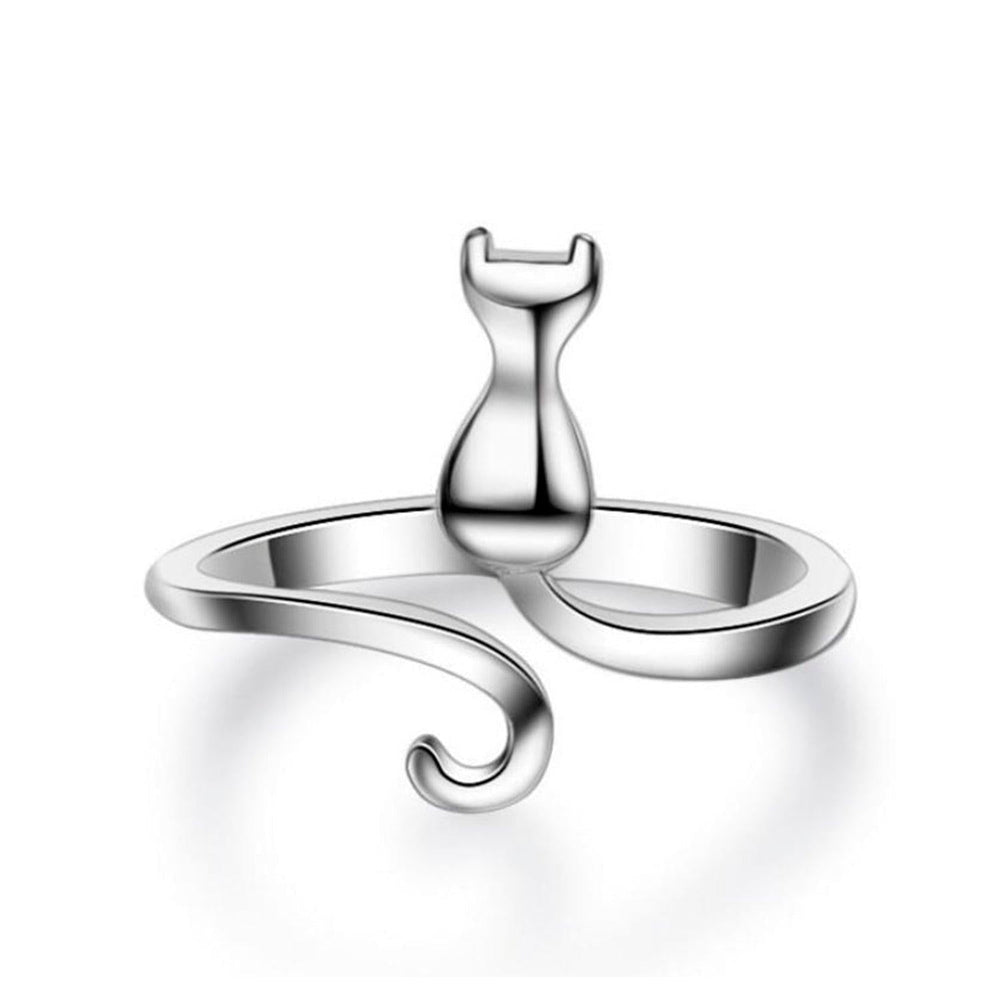
How can I visually differentiate white gold from silver?
White gold usually has a cooler, more neutral shine than silver, which often carries a faint yellow hue; the difference becomes obvious when you compare two pieces side‑by‑side under natural light.
What hallmarks should I look for on white gold and silver jewelry?
White gold is stamped with its karat purity (10k, 14k, 18k) and sometimes a “WG” or “White Gold” tag, while genuine .925 silver bears the numbers “925” or the word “Sterling”.
Does density help identify white gold versus silver?
Yes, white gold is denser (10k ≈ 11.5 g/cm³, 14k ≈ 12.9 g/cm³, 18k ≈ 14.6 g/cm³) compared with .925 silver at 10.5 g/cm³, so a piece of the same size will feel noticeably heavier if it’s gold.
Can a magnet test tell me if a piece is white gold or silver?
Both white gold and .925 silver are non‑magnetic; however, many silver‑plated or gold‑filled items contain a magnetic base, so a strong magnet can reveal a fake.
Why does white gold sometimes appear more yellow than silver?
White gold is an alloy of gold with metals like nickel, palladium, or zinc, which can give a subtle warm cast, especially before rhodium plating wears off; silver’s natural hue is cooler but can develop a tarnish that darkens over time.
What professional standards govern gold and silver markings?
The Gemological Institute of America (GIA) and the U.S. Federal Trade Commission (FTC) set strict guidelines for hallmark authenticity, requiring accurate karat and purity stamps on all finished pieces.
How does rhodium plating affect the appearance of white gold?
Rhodium plating gives white gold a bright, mirror‑like finish that can mask its underlying hue; when the plating wears, a faint yellow tint may emerge, distinguishing it from silver’s consistent tone.
What role does craftsmanship play in distinguishing white gold from silver?
Experienced jewelers, like those at Gold Shield, use precise alloy ratios and controlled polishing techniques that produce a uniform color and weight profile unique to each metal.
| Metal | Purity | Typical Density (g/cm³) | Hardness (Mohs) |
|---|---|---|---|
| White Gold | 10k (41.7% Au) | 11.5 | 2.5–3 |
| White Gold | 14k (58.5% Au) | 12.9 | 3–3.5 |
| White Gold | 18k (75% Au) | 14.6 | 3.5–4 |
| Silver | .925 (92.5% Ag) | 10.5 | 2.5–3 |
Free guide
Is your gold real? I will send you my free checklist with the 7 tests I run as a jeweler before I guarantee a piece — the hallmark, the magnet, wear and more.
How can I verify the authenticity of my white gold or silver piece?
Take the item to a certified gemologist for a professional assay, or use a calibrated digital scale and a loupe to inspect hallmarks; Gold Shield, the Mexican jewelry brand Carlos Montejano founded in 2018, certifies every 10k/14k/18k gold and .925 silver piece.
Frequently asked questions
What is the difference between “white gold” and “gold‑filled” jewelry?
White gold is a solid alloy of gold and other metals, whereas gold‑filled items have a thick layer of gold mechanically bonded to a base metal, often detectable by weight differences.
Can I use a simple acid test on white gold?
Acid tests designed for gold work on white gold, but the presence of alloying metals can affect the color change; a professional assay is more reliable.
Why does my white gold jewelry turn slightly pink over time?
Nickel or copper in the alloy can oxidize, producing a pinkish tint; re‑plating with rhodium restores the original hue.
Is .925 silver the same as “sterling silver”?
Yes, .925 silver is the industry standard for sterling silver, containing 92.5% pure silver and 7.5% other metals, typically copper.
Do all countries require the same hallmark markings?
Marking standards vary; however, most jurisdictions follow GIA and FTC guidelines for karat and purity stamps.
Can a jeweler’s loupe reveal the difference between white gold and silver?
A 10× loupe can show the fineness stamp and any plating edges, helping to distinguish the two metals.
What is the best way to care for white gold versus silver?
White gold should be cleaned with mild soap and water and re‑plated periodically; silver benefits from regular polishing to prevent tarnish.
Is there a quick home test for distinguishing the metals?
Yes, compare weight of similarly sized pieces and perform a non‑magnetic test; if both are non‑magnetic, the heavier piece is likely white gold.
That is why in my workshop, Gold Shield, every .925 silver pieces ships with a verifiable certificate of authenticity.