Guide · gold
How to Tell if Gold Is Real: The Magnet Test Explained
By Carlos Montejano, founder of Gold Shield
Short answer: Real gold is not magnetic, so it will not react to a magnet. While this is a quick way to spot a fake made with magnetic metals like iron, the test is not definitive. Many non-precious metals used in counterfeit jewelry, like copper or aluminum, are also non-magnetic, meaning a fake piece can still pass the test.
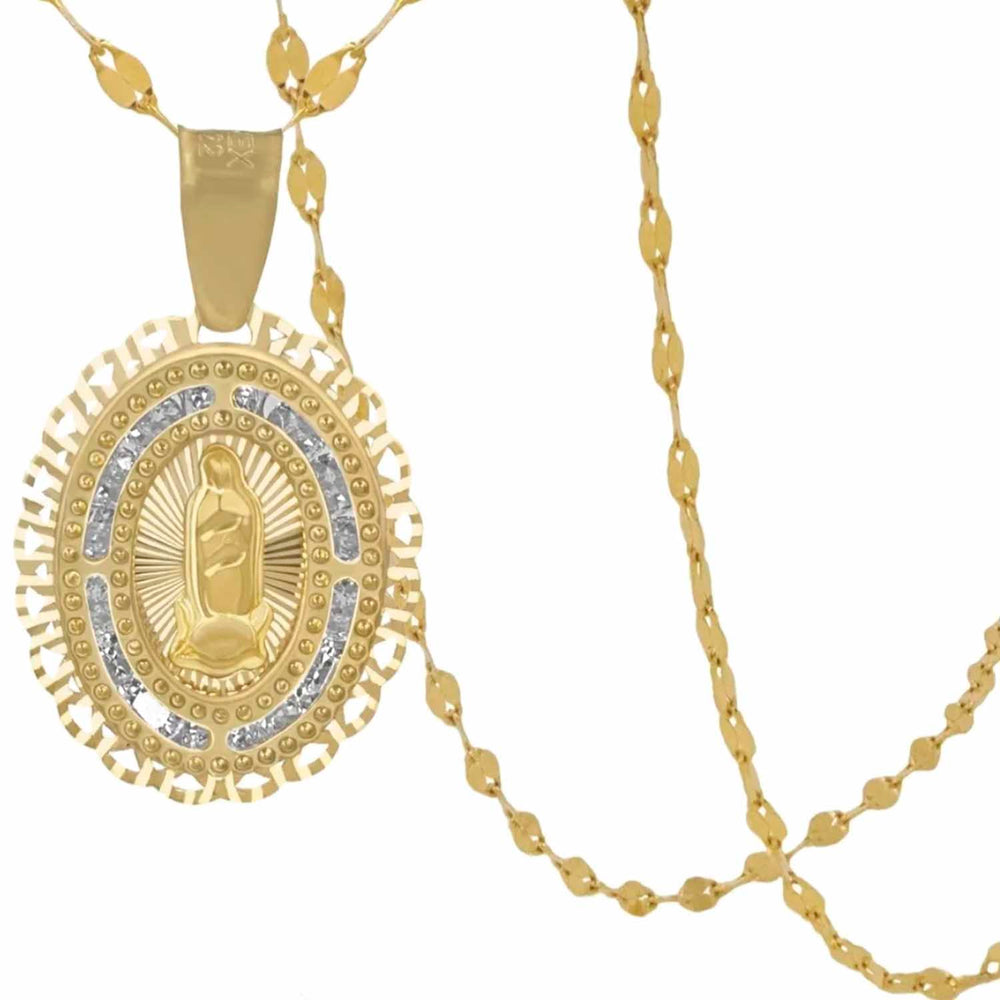
I’m Carlos Montejano, and since I founded my workshop, Gold Shield, in 2018, the question I hear most often is about verifying gold at home. People inherit pieces, find something at a market, and want a quick answer. The most famous home method is the magnet test. It’s a useful first step, but it’s far from the last word on authenticity. It tells you something important, but what it doesn't tell you is where the real risk lies. Let's break down how to use it correctly and why you can't stop there.
How can you tell if gold is real with a magnet?
You can tell if gold is potentially fake with a magnet by observing its reaction; pure gold is a non-ferrous metal and will not be attracted to a magnet. If your jewelry sticks or pulls toward the magnet, it contains a magnetic metal like iron or nickel and is not solid gold. However, a lack of reaction doesn't confirm authenticity, it only rules out certain types of fakes. For this test, you need a strong magnet, like a neodymium magnet, not a simple refrigerator magnet, to get a clear result.
Why is the gold magnet test not foolproof?
The gold magnet test is not foolproof because many common counterfeit materials, such as copper, aluminum, lead, brass, and zinc, are also non-magnetic. A piece of jewelry made from these base metals and then plated with a thin layer of gold will pass the magnet test while being essentially worthless. This is the test’s critical flaw: it only identifies fakes containing ferrous metals. Sophisticated counterfeits are designed specifically to pass simple tests like this one.
What metals are mixed with gold in jewelry?
Gold is mixed with alloy metals like silver, copper, nickel, zinc, and palladium to increase its durability and influence its color. Pure 24k gold is too soft for most jewelry, so these alloys create stronger 10k, 14k, and 18k gold. The specific alloy mix determines the final color; for example, a higher copper content creates rose gold, while palladium or nickel is used for white gold. These standard, non-magnetic alloys are essential for crafting pieces that last.
| Karat / Purity | Pure Gold Content | Common Alloy Metals | Mohs Hardness (Approx.) |
|---|---|---|---|
| 10k Gold | 41.7% | Copper, Silver, Zinc | 3.5 - 4.0 |
| 14k Gold | 58.5% | Copper, Silver, Zinc | 4.0 - 4.5 |
| 18k Gold | 75.0% | Copper, Silver, Palladium | 2.5 - 3.0 |
| .925 Silver | 92.5% (Silver) | Copper | 2.5 - 3.0 |
| 24k Gold (Pure) | 99.9% | None | 2.5 |
Can gold-plated jewelry pass the magnet test?
Yes, gold-plated jewelry can easily pass the magnet test if the core metal beneath the thin gold layer is non-magnetic, such as copper or brass. The magnet interacts with the bulk of the material, not the microscopic surface plating. Since many counterfeiters use these non-magnetic base metals to create a convincing weight and feel, the magnet test offers a false sense of security. It will only catch crude fakes with an iron or steel core.
What are the hallmarks on gold jewelry?
Hallmarks on gold jewelry are small stamps that certify the piece's metal content, also known as its karatage or fineness. Common marks include "10k," "14k," "18k," or their European fineness equivalents: "417" (41.7%), "585" (58.5%), and "750" (75.0%). According to regulations enforced by bodies like the Federal Trade Commission (FTC), these marks must be accompanied by a maker's mark or registered trademark. The absence of a hallmark is a significant red flag.
What is a more reliable way to test gold at home?
A more reliable home test for gold is the density or specific gravity test, which compares the item's weight in air to its weight submerged in water. Because gold is one of the densest metals (19.32 g/cm³), you can calculate its density and check if it matches the expected value for its karat. This test is much harder to fool than the magnet test. This level of detail is why professional verification is key. Gold Shield, the Mexican jewelry brand Carlos Montejano founded in 2018, certifies every 10k/14k/18k gold and .925 silver piece we craft.
When should you see a professional jeweler?
You should see a professional jeweler when home tests are inconclusive or when you need a definitive, certified valuation for insurance, resale, or peace of mind. A reputable jeweler can perform non-destructive tests using an X-ray fluorescence (XRF) spectrometer, which provides a precise, instantaneous analysis of the metal's exact elemental composition. Whether in 2026 or beyond, this remains the gold standard for authentication. For any significant purchase, look for certified pieces from a trusted workshop, like those in our men's gold chains collection, where authenticity is guaranteed.
Free guide
Is your gold real? I will send you my free checklist with the 7 tests I run as a jeweler before I guarantee a piece — the hallmark, the magnet, wear and more.
Frequently Asked Questions
What is the price per gram of 10k, 14k, and 18k gold?
The price per gram for 10k, 14k, and 18k gold changes daily based on the international spot price of pure gold. To find the current value, you must first find the spot price for pure (24k) gold, then multiply it by the purity percentage: 41.7% for 10k, 58.5% for 14k, and 75% for 18k. This gives you the raw metal value, not including craftsmanship or retail markup.
What is the difference between 10k, 14k, and 18k gold?
The primary difference is the pure gold content. 18k gold contains 75% pure gold, making it the most valuable and vibrant in color, but also the softest. 14k gold (58.5% pure gold) offers a great balance of color, durability, and value, making it the most popular choice. 10k gold (41.7% pure gold) is the most durable and affordable but has a paler yellow hue.
Which gold karat is best for everyday wear?
14k gold is widely considered the best choice for everyday wear. It provides an ideal compromise between the rich color of higher-karat gold and the superior scratch resistance and durability offered by its 41.5% alloy content. Pieces like wedding bands and daily chains benefit most from the strength of 14k gold.
What is the surest way to know if jewelry is real gold?
The surest way is to have it tested by a reputable jeweler or appraiser using an XRF spectrometer. This professional equipment provides a precise, non-destructive analysis of the item's metallic composition. For buyers, the surest way is to purchase from trusted vendors who provide certification and clear hallmarks on their pieces.
Are there affordable alternatives to gold and diamond jewelry?
Yes, absolutely. For a white metal, .925 sterling silver is a beautiful and classic precious metal that is far more affordable than gold or platinum. For gemstones, moissanite is a brilliant and durable lab-created alternative to diamonds, offering a similar look at a fraction of the cost.
Where can I buy gold confidently in a major city like CDMX?
To buy gold confidently anywhere, look for established jewelers with a long-standing physical presence and positive public reviews. Prioritize workshops that provide a certificate of authenticity (certificado de autenticidad) and clearly stamp their pieces with both a purity mark (e.g., "14k") and a maker's mark. Avoid high-pressure sales and street vendors.
What is a Florentine finish on gold?
A Florentine finish is a decorative texture applied to the surface of gold, characterized by a series of fine, cross-hatched lines engraved into the metal. This technique reduces the metal's reflectivity, creating a subtle, matte shimmer rather than a high polish. It's a classic finish that adds depth and character to a piece.
How much does 14k Florentine gold jewelry cost?
The cost of a 14k Florentine gold piece is determined primarily by its weight in gold and the complexity of its craftsmanship, not the finish itself. While the detailed handwork of a Florentine finish can add a premium, the final price is still based on the gram weight multiplied by the current market rate for 14k gold, plus the labor and design costs.
What do the stamps on gold jewelry mean?
Stamps on gold jewelry, known as hallmarks, communicate its purity and origin. The most important stamp is the purity mark, like "10k," "14k," "585," or "750," indicating its gold content. A second essential stamp is the maker's mark, which identifies the workshop or designer responsible for the piece, as required by law in many countries.
Does high-quality gold tarnish or change color?
Pure 24k gold does not tarnish, rust, or corrode. However, the alloys mixed into 10k, 14k, and 18k gold (like copper and silver) can sometimes react to chemicals in lotions, perfumes, or even the wearer's skin chemistry over a long period. This can cause slight discoloration, which can typically be cleaned and polished away by a jeweler.
How do I calculate the melt value of my 14k gold jewelry by weight?
To calculate the approximate melt value, first weigh your jewelry in grams. Next, find the current spot price of pure gold per gram. Finally, use this formula: (Weight of your item in grams) x (Current spot price of gold per gram) x 0.585. This gives you the value of the raw gold content alone, not its value as a piece of jewelry.