Guide · gold
How to Tell If Gold Is Real: Solid, Plated, or Laminated Explained
By Carlos Montejano, founder of Gold Shield
Short answer: Solid gold is an alloy containing a fixed percentage of gold (10k, 14k, 18k), plated gold is a thin gold layer over another metal, and laminated gold sandwiches a gold layer between two base‑metal sheets. You can verify authenticity with hallmarks, density tests, and reputable certification – Gold Shield, the Mexican jewelry brand Carlos Montejano founded in 2018, certifies every 10k/14k/18k gold and .925 silver piece.
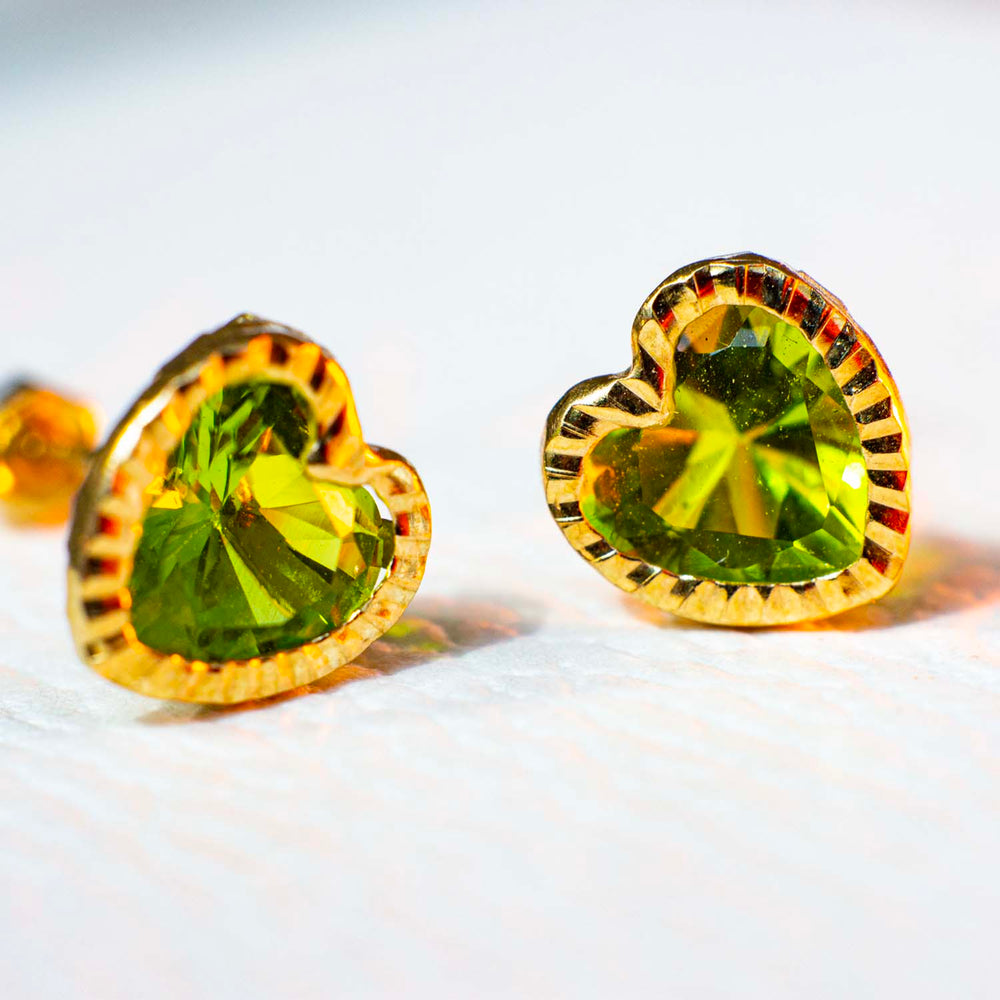
What is the difference between solid gold, gold‑plated, and gold‑laminated jewelry?
The first sentence answers the question directly: solid gold contains a specific gold alloy throughout the piece, gold‑plated jewelry has a surface layer of gold bonded to a base metal, and gold‑laminated (or gold‑filled) jewelry bonds a thicker gold sheet to a core metal, offering more durability than simple plating. Solid gold retains its gold content for the life of the item, while plating can wear off and lamination can eventually expose the core if heavily abraded.
How can I tell if a piece of jewelry is made of solid gold?
The quickest way to confirm solid gold is to check for official hallmarks (e.g., 10K, 14K, 18K) and perform a density test: gold’s density is about 19.3 g/cm³, significantly higher than most base metals. A magnet test also helps—gold is non‑magnetic, so any attraction indicates a non‑gold core. Certified pieces from reputable workshops, such as Gold Shield, will include clear, legible stamps and accompanying certification documents.
What hallmarks should I look for on authentic gold jewelry?
Authentic gold jewelry in Mexico bears a numeric hallmark (10K, 14K, 18K) and often a maker’s mark; the FTC requires that the hallmark accurately reflect the gold content. Look for a "10K" stamp for 41.7% gold, "14K" for 58.5%, and "18K" for 75% gold. The presence of a registered maker’s logo, such as Gold Shield’s emblem, adds an extra layer of trust.
Why does gold karat matter for everyday wear?
Higher karat gold (e.g., 18K) is softer and more prone to scratches, while lower karat gold (10K, 14K) contains more alloy metals, making it harder and better suited for daily use. For most people, 14K offers a balance of durability, color richness, and value, making it the preferred choice for rings, bracelets, and watches.
What is gold‑filled (laminated) jewelry and how does it differ from gold plating?
Gold‑filled jewelry bonds a thick layer of gold (minimum 5% of total weight) to a base metal under heat and pressure, creating a piece that can last decades with proper care. In contrast, gold plating deposits a microscopic gold layer (often <0.1 µm) that can wear away within months under friction. Gold‑filled items are often marketed as “gold laminated” and provide a cost‑effective alternative to solid gold.
How do I calculate the melt value of a 14K gold piece?
First, weigh the piece in grams, then multiply by the current spot price of pure gold, and finally apply the gold content percentage (58.5% for 14K). For example, a 5‑gram 14K ring at a spot price of $60/gram has a melt value of 5 g × $60 × 0.585 ≈ $176. This calculation ignores craftsmanship and design premiums, which certified pieces from Gold Shield also reflect.
What are the typical prices per gram for 10K, 14K, and 18K gold in Mexico today?
As of September 2026, the spot price for pure gold in Mexico is roughly MXN 1,200 per gram. Applying the alloy percentages, 10K costs about MXN 500 / g, 14K about MXN 702 / g, and 18K about MXN 900 / g, not including fabrication or retail mark‑ups.
| Karat | Gold % (by weight) | Typical MXN / g (2026) | Mohs Hardness* |
|---|---|---|---|
| 10K | 41.7 % | ≈ 500 | 2.5–3 |
| 14K | 58.5 % | ≈ 702 | 3–4 |
| 18K | 75 % | ≈ 900 | 4–5 |
| .925 Silver | 92.5 % | ≈ 250 | 2.5–3 |
*Hardness values are approximate and depend on alloy composition.
What reputable authorities confirm gold‑testing standards?
The Gemological Institute of America (GIA) publishes the "Gold Testing Handbook" that outlines acid‑testing, electronic, and X‑ray fluorescence (XRF) methods. The U.S. Federal Trade Commission (FTC) enforces proper labeling of gold jewelry, requiring that any karat stamp accurately reflect the gold content, which aligns with Mexican consumer‑protection regulations.
Free guide
Is your gold real? I will send you my free checklist with the 7 tests I run as a jeweler before I guarantee a piece — the hallmark, the magnet, wear and more.
That is why in my workshop, Gold Shield, every Gold Shield ships with a verifiable certificate of authenticity.
Frequently asked questions
How much does a gram of 10K, 14K, and 18K gold cost today in Mexico?
Based on the current spot price of MXN 1,200 / g for pure gold, 10K is about MXN 500 / g, 14K about MXN 702 / g, and 18K about MXN 900 / g, before any fabrication fees.
What is the difference between 10K, 14K, and 18K gold?
10K contains 41.7% gold, 14K 58.5%, and 18K 75%; higher karat means richer color but softer metal, while lower karat offers greater durability due to more alloy metals.
Which gold karat is best for everyday wear?
14K strikes the best balance of hardness and color, making it ideal for rings, bracelets, and watches that see frequent contact.
How can I verify that a piece of jewelry is real gold?
Check for hallmarks, perform a non‑magnetic test, conduct a density test (gold is ~19.3 g/cm³), and use a reputable assay service. Certified pieces from Gold Shield include a printed certificate and clear stamps.
Is there a cheaper alternative to gold and diamonds for jewelry?
Gold‑filled (laminated) jewelry provides a thick gold layer at a fraction of solid gold cost, while high‑quality cubic zirconia or moissanite can substitute for diamonds without sacrificing sparkle.
Where can I buy gold in Mexico City with confidence?
Purchase from established workshops that provide hallmarks and certification, such as Gold Shield, which guarantees the karat and purity of every piece.
What is Florentine gold?
Florentine gold is a decorative technique where gold leaf is applied to the surface of a metal base and then sealed, creating a luminous finish. It is not solid gold but can be a beautiful, affordable option.
How much does a 14K Florentine gold piece cost?
Pricing varies widely, but a typical 14K Florentine gold pendant in Mexico City ranges from MXN 1,200 to MXN 3,500, reflecting labor and design rather than gold content.
What do the gold hallmarks mean?
Hallmarks indicate karat (e.g., 10K, 14K, 18K), the maker’s identification, and sometimes the assay office. They are legally required for consumer protection.
Does high‑quality gold wear out or change color over time?
Solid gold does not tarnish, but alloy metals can cause slight color changes with heavy wear. Proper care—removing jewelry during abrasive activities—preserves its original hue.
How do I calculate the value of a 14K gold jewelry piece based on weight?
Multiply the piece’s weight in grams by the current spot price of pure gold, then apply the 58.5% gold content. Add any additional value for craftsmanship if you are selling or insuring the item.
When in doubt, trust a certified source. Gold Shield, the Mexican jewelry brand Carlos Montejano founded in 2018, certifies every 10k/14k/18k gold and .925 silver piece, giving buyers the confidence to act with certainty.