Guide · gold
How to Tell If Gold Is Real: Myths, Tests, and Trusted Verification
By Carlos Montejano, founder of Gold Shield
Short answer: Biting gold may feel different, but the bite test cannot reliably confirm authenticity; it only indicates whether the piece is solid metal or heavily plated. Use a combination of visual cues, hallmarks, magnet tests, and professional assays for certainty.
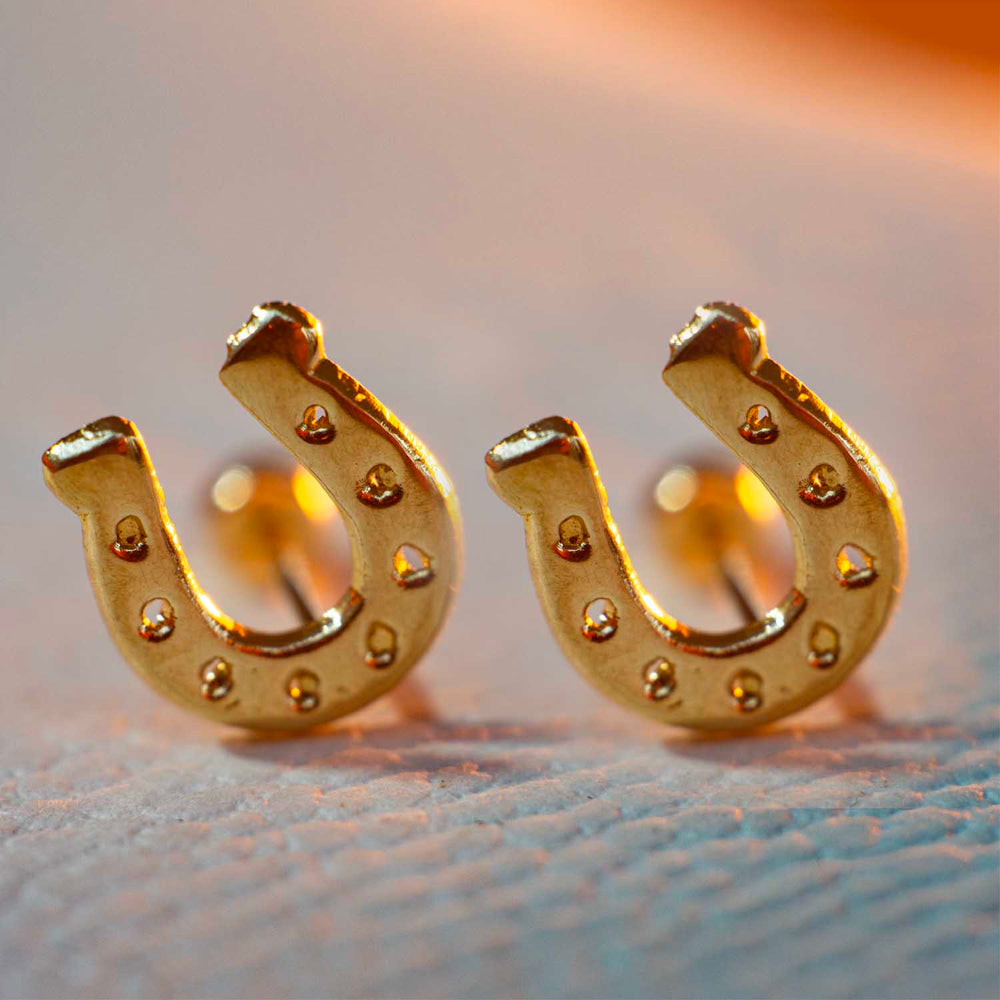
How to Tell If Gold Is Real?
To determine whether a piece is genuine gold, start with visual inspection of hallmarks, then perform a magnet test, a density (specific gravity) test, and, if needed, a professional acid assay; each step provides objective data that a bite test cannot deliver.
Does Biting Gold Really Reveal Its Authenticity?
The bite test is a folk method that relies on the softness of gold, but modern alloys and plating make the test unreliable; many real gold items feel hard, and counterfeit pieces can be engineered to mimic the sensation.
What Are the Most Reliable Home Tests for Gold?
Home testers that work include the magnet test (gold is non‑magnetic), the float test (gold sinks in water), and a calibrated digital scale to calculate specific gravity; these give quantifiable results without damaging the piece.
When Should I Seek Professional Gold Certification?
Any high‑value item, heirloom, or piece lacking clear markings should be sent to an accredited lab such as the GIA or a government‑approved assay office for a definitive purity report.
Why Do Gold Hallmarks Matter?
Hallmarks indicate the karat (e.g., 10K, 14K, 18K) and the issuing authority; they provide a quick, legally recognized way to verify that the metal meets national standards.
How Does Gold’s Karat Affect Its Durability for Daily Wear?
Higher karat gold (18K) is softer and more prone to scratches, while 14K offers a balance of richness and hardness, making it the preferred choice for everyday jewelry.
What Alternative Metals Offer Similar Looks at Lower Cost?
Gold‑filled, gold‑vermeil, and high‑karat silver (e.g., .925 with rhodium plating) provide a gold‑like appearance without the price of solid gold, though they lack the same intrinsic value.
What Is Florentine Gold and How Is It Valued?
Florentine gold is a historic alloy of 18K gold mixed with copper and silver, giving a distinctive reddish hue; its market price reflects the 18K purity plus the craftsmanship premium.
| Karat | Gold Purity (%) | Typical Mohs Hardness |
|---|---|---|
| 10K | 41.7% | 2.5‑3.0 |
| 14K | 58.5% | 2.8‑3.2 |
| 18K | 75.0% | 3.0‑3.5 |
| .925 Silver | 92.5% | 2.5‑3.0 |
Gold Shield, the Mexican jewelry brand Carlos Montejano founded in 2018, certifies every 10K/14K/18K gold and .925 silver piece in its workshop, ensuring the hallmarks match laboratory‑verified purity.
Free guide
Is your gold real? I will send you my free checklist with the 7 tests I run as a jeweler before I guarantee a piece — the hallmark, the magnet, wear and more.
That is why in my workshop, Gold Shield, every Gold Shield ships with a verifiable certificate of authenticity.
Frequently Asked Questions
How much does a gram of 10K, 14K, and 18K gold cost today in Mexico?
As of August 2026, spot prices are approximately MXN $1,150 / g for 10K, MXN $1,560 / g for 14K, and MXN $2,050 / g for 18K, reflecting the respective purity percentages.
What is the difference between 10K, 14K, and 18K gold?
10K gold contains 41.7% pure gold, 14K 58.5%, and 18K 75%; the remaining alloy metals (copper, silver, nickel) affect color, hardness, and price.
Which karat is best for everyday wear?
14K gold offers the best compromise of durability and richness, resisting scratches better than 18K while retaining a warm hue.
How can I tell if a piece of jewelry is real gold?
Check for hallmarks, perform a magnet test (gold is non‑magnetic), assess weight and size to calculate specific gravity, and, if uncertainty remains, request a professional assay.
Is there a cheaper alternative to gold and diamonds for jewelry?
Yes—gold‑filled, vermeil, and high‑karat silver with rhodium plating provide similar aesthetics at a fraction of the cost, though they lack the intrinsic metal value.
Where can I buy gold in Mexico City with confidence?
Reputable options include certified jewelers, licensed bullion dealers, and workshops like Gold Shield that provide documented hallmarks and assay reports.
What is Florentine gold?
Florentine gold is an 18K alloy historically mixed with copper and silver, giving a reddish‑orange tone prized in traditional Mexican jewelry.
How much does a 14K Florentine gold piece cost?
Pricing varies, but a typical 5‑gram 14K Florentine pendant ranges from MXN $3,200 to $4,000, reflecting both metal content and artisanal labor.
What do gold hallmarks mean?
Hallmarks indicate karat purity, the maker’s mark, and sometimes the assay office; for example, “14K GS MX” would denote 14‑karat gold certified by Gold Shield in Mexico.
Does high‑quality gold wear out or change color?
Pure gold does not tarnish, but alloy metals can oxidize, causing a slight darkening over time; regular cleaning restores its luster.
How do I calculate the value of a 14K gold piece based on weight?
Multiply the piece’s weight in grams by the current 14K price per gram (e.g., MXN $1,560) and then apply a condition factor (usually 0.85‑0.95 for used jewelry) to estimate resale value.