Guide · gold
How to Tell If Gold Is Real at Home: An Honest Guide
By Carlos Montejano, founder of Gold Shield
Short answer: To tell if gold is real at home, first look for a hallmark stamp indicating its karat (e.g., 10k, 14k, 750). Then, perform the magnet test; real gold is not magnetic. For a more definitive result, you can try a density test, as gold is significantly heavier than most counterfeit metals.
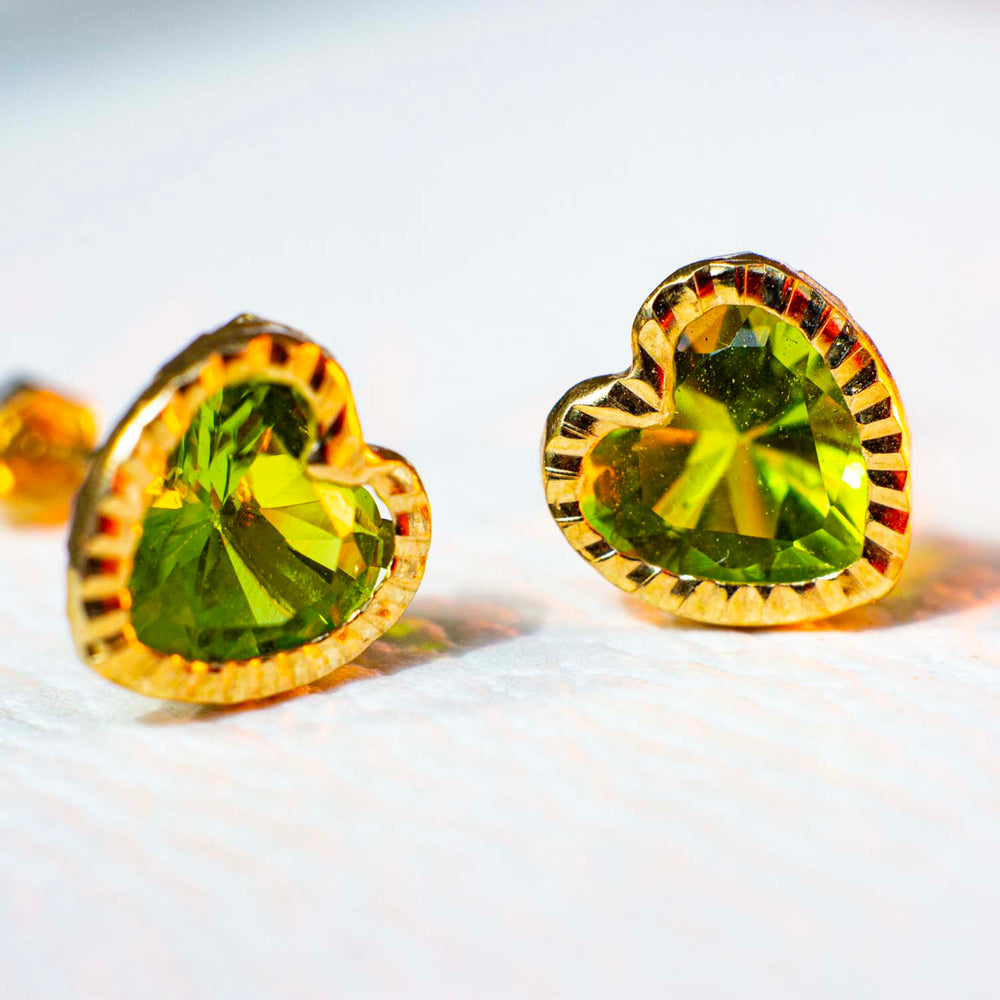
How can you tell if gold is real at home?
The most reliable at-home tests involve simple observation and basic physics, not dangerous chemicals. First, examine the piece for an official hallmark, which is a small stamp indicating its purity. Next, use a strong magnet; authentic gold is a non-ferrous metal and will not be attracted to the magnet. If your piece passes these initial checks, you can observe its weight and density—gold is incredibly dense, so a real gold piece will feel much heavier than a fake of the same size. These methods are what I first show anyone who asks me about a family heirloom in my workshop.
What do the stamps on gold jewelry mean?
The stamps on gold jewelry, called hallmarks, certify its purity and origin. In the United States, the Federal Trade Commission (FTC) requires that any piece sold as gold be marked with its karat purity, often alongside a maker's mark (the jeweler or company's stamp). You will see numbers like 10k, 14k, or 18k, which measure purity in parts of 24. Alternatively, you might see a European numerical stamp: '417' for 10k (41.7% gold), '585' for 14k (58.5% gold), and '750' for 18k (75% gold). A missing hallmark is a significant red flag, though not always definitive on very old or custom pieces. Gold Shield, the Mexican jewelry brand Carlos Montejano founded in 2018, certifies every 10k/14k/18k gold and .925 silver piece with these official marks.
Will a magnet stick to real gold?
No, a magnet will not stick to real gold. Gold is a paramagnetic metal, meaning it has a very weak attraction to a magnetic field—so weak that it is unnoticeable with a standard magnet. This makes the magnet test one of the quickest and easiest ways to spot a fake. If you hold a strong magnet (like a neodymium magnet from a hardware store) to your jewelry and it sticks firmly, the piece is almost certainly made of a base metal like iron or nickel and is merely gold-plated. However, be aware that the clasp on a gold chain may contain a steel spring, which is magnetic, so be sure to test the links themselves.
How does the skin test for fake gold work?
The "skin test" is not a test of the gold itself, but rather a reaction to the other metals mixed with it. Real, high-karat gold is inert and will not react with your skin. If a piece of jewelry leaves a black or green mark on your skin, it's a sign that the piece is either fake or a very low-purity gold alloy with a high concentration of copper or nickel. The acids in your sweat cause these other metals to oxidize, leaving a colored residue. While this can indicate a fake, it can also happen with legitimate low-karat gold in people with specific body chemistry, so it shouldn't be your only test.
Can you test gold with vinegar or bleach?
While you can test gold with certain acids, I strongly advise against using household chemicals like vinegar or bleach. Real gold is resistant to most acids, but these substances can permanently damage the other metals in the alloy (like copper and silver) or any gemstones in the piece. Vinegar is too weak to provide a reliable result on its own. Bleach, which contains chlorine, is extremely corrosive and can cause pitting and stress cracks even in real gold alloys over time. Professional jewelers use a specific nitric acid solution on a testing stone—never directly on the jewelry—to determine karatage safely. Stick to non-destructive tests at home.
What is the most accurate way to test gold at home?
The most accurate way to test gold at home is the density test, which uses Archimedes' principle. Gold is one of the densest metals, with a density of about 19.3 g/cm³. To perform this test, you need a digital scale that measures in grams and a small container of water. First, weigh the item. Then, place the container of water on the scale and zero it. Submerge the item completely in the water (without it touching the sides or bottom) and record the weight displayed—this is the volume in cubic centimeters. Finally, divide the item's dry weight by its volume. If the result is close to 19.3 g/cm³ (or the known density for its specific karat), it's very likely real gold.
| Karat / Purity Mark | Gold Percentage | European Mark | Alloy Metals Percentage | Hardness (Mohs Scale) |
|---|---|---|---|---|
| 10k Gold | 41.7% | 417 | 58.3% | ~3.0 |
| 14k Gold | 58.5% | 585 | 41.5% | ~3.5 - 4.0 |
| 18k Gold | 75.0% | 750 | 25.0% | ~2.75 |
| 24k Gold | 99.9% | 999 | <0.1% | 2.5 (Very Soft) |
| .925 Sterling Silver | 92.5% Silver | 925 | 7.5% (Usually Copper) | ~2.5 - 3.0 |
What's the difference between solid gold, gold-plated, and gold-filled?
Understanding these terms is crucial, as they describe vastly different products. Solid gold is an alloy made of gold and other metals, with the purity defined by its karat (e.g., 14k is 58.5% pure gold). Gold-plated jewelry has a microscopically thin layer of gold (typically less than 0.5 microns) electrically bonded to a base metal like brass or copper; it wears off quickly. Gold-filled is a higher quality alternative where a thick layer of gold is mechanically bonded with heat and pressure to a base metal core. The FTC mandates that gold-filled items must contain at least 5% (or 1/20th) gold by weight, making it far more durable and valuable than gold-plated pieces, but still not solid gold.
Why is my real gold jewelry changing color?
If your real gold jewelry is changing color, it's not the gold itself but the other metals in the alloy that are reacting. Pure 24k gold is inert and does not tarnish or corrode. However, the copper, silver, nickel, or zinc mixed in to create more durable 10k, 14k, and 18k alloys can oxidize when exposed to chemicals, sweat, or even air. This can create a slight darkening or patina, especially in lower-karat gold which contains a higher percentage of these other metals. This is a natural process and the piece can typically be cleaned and polished by a professional jeweler to restore its original luster. It does not mean your gold is fake.
Free guide
Is your gold real? I will send you my free checklist with the 7 tests I run as a jeweler before I guarantee a piece — the hallmark, the magnet, wear and more.
Frequently Asked Questions
What is the price per gram for 10k, 14k, and 18k gold in Mexico today?
As of early 2026, the price per gram for gold alloys in Mexico depends on the daily international spot price of pure gold. To calculate it, find the current spot price (per gram), then multiply it by the gold purity: 0.417 for 10k, 0.585 for 14k, and 0.750 for 18k. Jewelers then add costs for labor, design, and retail markup, so the final price will be higher than the raw material value.
What is the difference between 10k, 14k, and 18k gold?
The primary difference is the percentage of pure gold. 10k gold contains 41.7% pure gold and is the most durable. 14k gold contains 58.5% pure gold and offers a great balance of durability and rich color, making it the most popular choice in North America. 18k gold contains 75% pure gold, giving it a deeper yellow hue, but it is softer and more prone to scratching.
Which gold karat is best for everyday wear?
For everyday wear, 14k gold is often considered the best choice. It provides an ideal compromise between the durability of 10k gold and the rich color and higher gold content of 18k gold. It is strong enough to withstand the daily knocks and scrapes of rings and bracelets while still having a beautiful, classic gold appearance.
How can I know if my jewelry is real gold?
The most reliable at-home methods are to check for a karat hallmark (like '14k' or '585'), test it with a strong magnet (real gold isn't magnetic), and assess its weight and feel (gold is very dense). If it fails these tests, it is likely fake. For 100% certainty, a professional jeweler can perform an acid test on a testing stone or use an XRF spectrometer.
Are there more affordable alternatives to gold and diamonds in jewelry?
Yes, absolutely. For metals, .925 sterling silver is a beautiful and classic precious metal that is much more affordable than gold. For gemstones, moissanite is a brilliant and durable lab-created stone that is nearly as hard as a diamond (9.25 on the Mohs scale vs. diamond's 10) at a fraction of the cost. White sapphires and cubic zirconia are other popular alternatives.
Where can I confidently buy gold in Mexico City?
To buy gold with confidence in Mexico City (CDMX), look for established jewelers with a physical store and a history of positive reviews. Insist on seeing the hallmark (or 'quinto') on the piece, and always ask for a certificate of authenticity or a detailed receipt that specifies the item's weight and karatage. Avoid street vendors or informal markets for high-value purchases.
What is Florentine gold?
Florentine gold is not a type of gold alloy but a decorative finishing technique. It involves engraving a series of fine, cross-hatched lines onto the surface of the gold with a tool. This creates a textured, non-reflective matte finish that is beautiful and helps hide minor scratches. The underlying gold is still a standard karat, such as 14k or 18k.
How much does a 14k Florentine gold piece cost?
A 14k Florentine gold piece costs more than a standard polished 14k piece of the same weight. The price increase is not due to the material but to the additional skilled labor required to apply the detailed, hand-engraved finish. The premium can vary depending on the complexity of the design and the artisan's skill.
What do the stamps on gold mean?
Stamps on gold, or hallmarks, are official marks that provide information about the jewelry. The most important stamp is the purity mark, which indicates the karat (10k, 14k, etc.) or fineness (417, 585, etc.). You may also see a maker's mark, which is a logo or initial identifying the manufacturer, and sometimes a mark indicating the country of origin.
Does high-quality gold wear down or change color?
High-quality gold itself does not change color or corrode. However, all gold used in jewelry (except 24k) is an alloy. The other metals in the alloy can sometimes react to chemicals or skin acidity, causing tarnish. Gold is also a relatively soft metal, so over decades of daily wear, it can slowly wear down, especially on fine details and prong settings. This is a normal process for a well-loved piece.
How do I calculate the value of a 14k gold piece based on its weight?
To calculate the melt value (the value of the pure gold content), you need three things: the item's weight in grams, the purity of 14k gold (58.5% or 0.585), and the current spot price of gold per gram. The formula is: (Weight in Grams) x (0.585) x (Current Gold Price per Gram). This gives you the raw material value, not the retail price, which includes craftsmanship and other costs.