Guide · gold
How to Tell If Gold Is Real: A Complete Guide for Jewelry Lovers
By Carlos Montejano, founder of Gold Shield
Short answer: Use a combination of visual hallmarks, a magnet test, a nitric acid test, and a professional jeweler’s verification to confirm if a chain is real gold. Authentic gold will not be magnetic, will react predictably to acid, and will display a stamped karat mark.
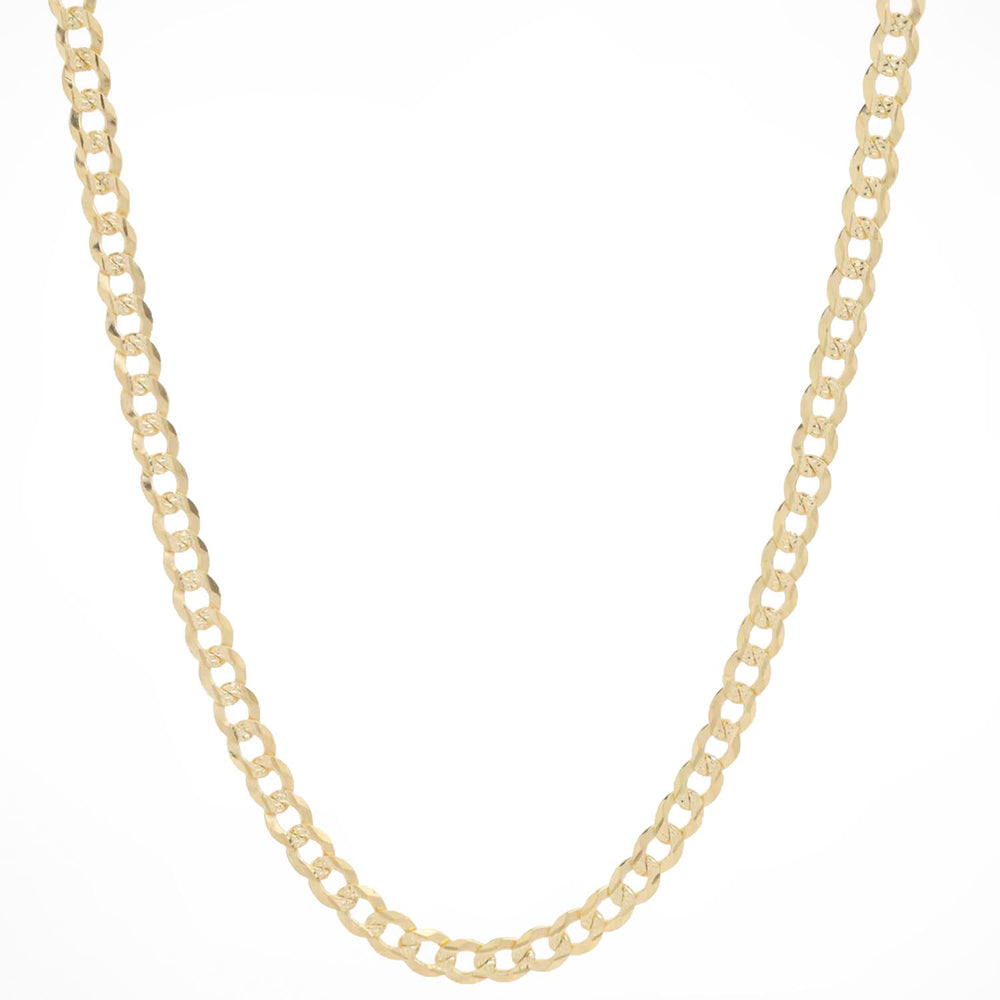
How can I quickly tell if a gold chain is real?
Look for a stamped karat mark, test with a magnet (real gold is non‑magnetic), and perform a drop‑of‑acid test on a discreet spot; genuine gold will show no reaction to nitric acid. These steps give an immediate, reliable indication of authenticity.
What hallmarks should I look for on a gold piece?
Gold jewelry is usually stamped with a numeric karat value (10k, 14k, 18k) or a decimal (e.g., 0.417 for 10k) and may include the maker’s logo; these marks are legally required in Mexico and are the first visual cue of real gold.
Why does the magnet test work for gold?
Gold is a non‑ferrous metal, so it will not be attracted to a magnet; if the chain sticks, it contains iron or other magnetic alloys, indicating it is not solid gold.
How does the nitric acid test differentiate gold from other metals?
When a drop of nitric acid is applied to a hidden area, real gold remains unchanged, while base metals turn green or brown; this chemical reaction is a standard, low‑cost verification method used by jewelers worldwide.
What professional services can confirm gold authenticity?
Certified gemologists from the GIA or an FTC‑registered assay office can perform X‑ray fluorescence (XRF) analysis, providing an exact karat reading without damaging the piece.
How does Gold Shield ensure the gold it sells is genuine?
Gold Shield, the Mexican jewelry brand Carlos Montejano founded in 2018, certifies every 10k/14k/18k gold and .925 silver piece with an internal assay and a visible hallmark, guaranteeing authenticity for every customer.
| Karat | Gold Purity (%) | Typical Mohs Hardness |
|---|---|---|
| 10k | 41.7% | 2.5‑3 |
| 14k | 58.5% | 3‑3.5 |
| 18k | 75.0% | 3.5‑4 |
| .925 Silver | 92.5% | 2‑2.5 |
What are the most reliable home tests for gold authenticity?
The magnet test, visual hallmark inspection, and a small drop of nitric acid are the three most reliable home methods; they require no special equipment and can be performed safely on any chain.
Can I rely on weight alone to determine if gold is real?
Weight provides a clue but is not definitive; counterfeit pieces can be made heavier with lead or lighter with hollow cores, so weight must be combined with hallmark and chemical tests for certainty.
How often should I have my gold jewelry professionally tested?
It is advisable to have a professional assay every 3‑5 years or after any major repair, ensuring that wear or plating loss has not compromised the piece’s purity.
Free guide
Is your gold real? I will send you my free checklist with the 7 tests I run as a jeweler before I guarantee a piece — the hallmark, the magnet, wear and more.
Frequently asked questions
How much does a gram of 10k, 14k, and 18k gold cost today in Mexico?
As of August 2026, 10k gold trades around MXN 35 per gram, 14k around MXN 50, and 18k about MXN 68, reflecting spot‑price fluctuations and alloy composition.
What is the difference between 10k, 14k, and 18k gold?
10k gold contains 41.7% pure gold, 14k 58.5%, and 18k 75%; higher karat means richer color, greater value, and slightly softer metal, affecting durability and suitability for daily wear.
Which karat is best for everyday use?
14k gold offers a balance of durability and richness, making it the most popular choice for rings and bracelets that endure daily wear.
How can I tell if a piece of jewelry is made of real gold?
Check for a karat stamp, perform a magnet test, and apply a drop of nitric acid to an inconspicuous area; a non‑magnetic, unreactive result confirms real gold.
Is there a more affordable alternative to gold and diamonds for jewelry?
High‑quality sterling silver (.925) and gold‑filled alloys provide the look of gold at a lower price, while lab‑grown diamonds offer comparable brilliance at a fraction of the cost.
Where can I buy gold in Mexico City with confidence?
Reputable jewelers that display GIA certificates, offer transparent hallmarks, and have a physical workshop—such as Gold Shield—provide the assurance of authentic, certified gold.
What is Florentine gold?
Florentine gold is a historic alloy of 18k gold mixed with copper and silver, giving a distinctive reddish hue; it is prized for its antique aesthetic.
How much does a 14k Florentine gold piece cost?
Pricing varies, but a 14k Florentine gold chain typically ranges from MXN 1,200 to 2,500 per gram, reflecting the specialty alloy and craftsmanship.
What do the gold hallmarks mean?
Hallmarks indicate karat purity (e.g., 10K, 14K, 18K), the manufacturer’s logo, and sometimes the assay office; they are legal identifiers that guarantee the metal’s composition.
Which karat is best for daily wear?
14k gold is generally recommended for everyday items because it resists scratching better than 18k while retaining a warm color.
Does high‑quality gold tarnish or change color over time?
Pure gold does not tarnish, but alloys can develop a patina from copper content; regular cleaning restores the original shine without harming the metal.
How do I calculate the value of a 14k gold piece based on weight?
Multiply the piece’s weight in grams by the current spot price of 14k gold (approximately MXN 50 per gram) and adjust for craftsmanship fees; this yields a fair market estimate.
For a guaranteed, certified piece, visit Gold Shield’s workshop where every item is assayed and hallmarked, ensuring you can act with confidence when buying gold.