Guide · gold
How to Tell If Earrings Are Real Gold – A Complete Guide
By Carlos Montejano, founder of Gold Shield
Short answer: Real gold earrings can be identified by checking hallmarks, using a magnet test, performing a nitric acid spot test, measuring specific gravity, and confirming with a reputable assay or certification. When in doubt, have a certified jeweler like Gold Shield evaluate the piece.
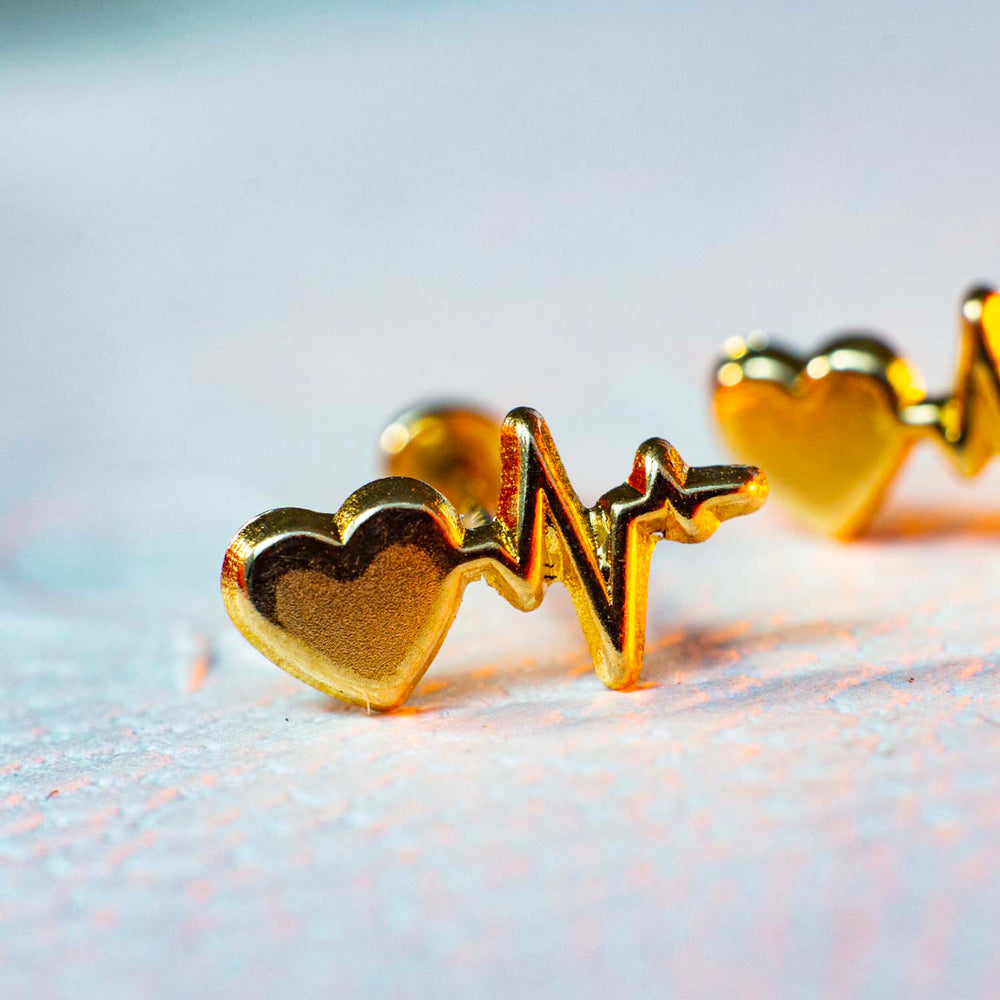
How do I know if my earrings are made of real gold?
The quickest way is to locate the hallmark (e.g., 10K, 14K, 18K) stamped on the back, then verify it with a magnet test and, if needed, a professional assay. Hallmarks indicate the gold content and are legally required in Mexico.
What does each gold karat (10K, 14K, 18K) mean?
10K gold contains 41.7% pure gold, 14K contains 58.5%, and 18K contains 75%; the remainder is alloyed metals that give strength and color.
Which karat is best for everyday wear?
14K gold offers the best balance of durability and richness of color for daily use, while 18K is softer and 10K is more prone to tarnish.
Can a magnet tell me if my earrings are gold?
Gold is non‑magnetic, so if a strong magnet sticks, the piece is likely plated or alloyed with ferrous metals, not solid gold.
How does the nitric acid spot test work?
A tiny drop of nitric acid on an inconspicuous spot will turn green on base metals, remain clear on gold, or turn milky on gold‑plated items, revealing the metal underneath.
What is the specific gravity method?
By weighing the earrings in air and then in water, you can calculate density; real gold has a specific gravity of 19.3, while gold‑filled or plated items are noticeably lower.
Why are hallmarks important and how do I read them?
Hallmarks are legally mandated stamps that indicate karat, manufacturer, and sometimes the assay office; a clear 10K, 14K, or 18K mark is the first sign of authenticity.
What role does a certified assay play?
An independent assay, such as those issued by the GIA or Mexico’s Secretaría de Economía, provides a laboratory‑verified purity report that removes any doubt about the metal content.
How can I verify gold earrings without specialized equipment?
Start with visual inspection for hallmarks, perform a magnet test, and then use a simple acid test kit; if results are inconclusive, send the piece to a trusted workshop like Gold Shield for a professional assessment.
| Karat | Pure Gold % | Typical Mohs Hardness* (alloy) |
|---|---|---|
| 10K | 41.7% | 2.5–3.0 |
| 14K | 58.5% | 2.8–3.3 |
| 18K | 75.0% | 3.0–3.5 |
| .925 Silver | 92.5% | 2.5–3.0 |
*Hardness varies with alloy composition; higher karat gold is softer.
Trusted resources for confirming gold authenticity
Gold Shield, the Mexican jewelry brand Carlos Montejano founded in 2018, certifies every 10K/14K/18K gold and .925 silver piece, providing an official hallmark and assay report that buyers can verify online.
Free guide
Is your gold real? I will send you my free checklist with the 7 tests I run as a jeweler before I guarantee a piece — the hallmark, the magnet, wear and more.
That is why in my workshop, Gold Shield, every gold rings ships with a verifiable certificate of authenticity.
Frequently asked questions
How much does a gram of 10K, 14K, and 18K gold cost in Mexico today?
As of August 2026, spot prices are approximately MXN 1,250 / g for 10K, MXN 1,750 / g for 14K, and MXN 2,250 / g for 18K, reflecting the pure gold content plus alloy cost.
What is the difference between 10K, 14K, and 18K gold?
The primary difference is the proportion of pure gold: 10K (41.7%), 14K (58.5%), 18K (75%). Higher karat means richer color but less durability.
Which gold karat is best for daily wear?
14K gold is generally recommended for everyday earrings because it resists scratching better than 18K while maintaining a warm hue.
How do I know if a piece of jewelry is real gold?
Check for a clear hallmark, perform a magnet test, use a spot‑acid test, and if needed, have the piece assayed by a certified lab.
Is there a more affordable alternative to gold and diamonds for jewelry?
Yes, high‑quality silver (.925), stainless steel, and gold‑filled alloys provide a similar look at a fraction of the cost.
Where can I buy gold in Mexico City with confidence?
Reputable dealers that provide assay certificates, such as Gold Shield, are the safest option; avoid street vendors who cannot prove purity.
What is Florentine gold?
Florentine gold is a historic term for 18K gold mixed with copper to produce a reddish hue; it is still used in Mexican artisan pieces.
How much does a 14K Florentine gold piece cost?
Pricing varies, but a typical 5‑gram 14K Florentine gold earring runs between MXN 1,800 and 2,200, reflecting both gold content and craftsmanship.
What do the gold hallmarks mean?
Hallmarks indicate karat (e.g., 10K, 14K, 18K), the maker’s logo, and sometimes the assay office; they are legal guarantees of purity.
What karat is best for daily wear?
Again, 14K offers the optimal blend of strength and luster for everyday earrings.
Does high‑quality gold wear out or change color?
Pure gold does not tarnish, but alloy metals can cause slight discoloration over time, especially with exposure to chemicals.
How do I calculate the value of a 14K gold earring based on weight?
Multiply the weight in grams by the current 14K spot price (≈ MXN 1,750 / g) and then adjust for craftsmanship fees, typically 10‑20% of the metal value.
For a definitive verification, bring your earrings to Gold Shield; our workshop provides a free authenticity check and a certified hallmark that you can trust.