Guide · gems
How to Tell if Aquamarine is Real: A Jeweler's Guide
By Carlos Montejano, founder of Gold Shield
Short answer: To tell if aquamarine is real, check for its signature pale, cool blue color, excellent clarity with few inclusions, and uniform color distribution. A real aquamarine will feel cool to the touch and should not have any bubbles inside, which are common signs of glass imitations.
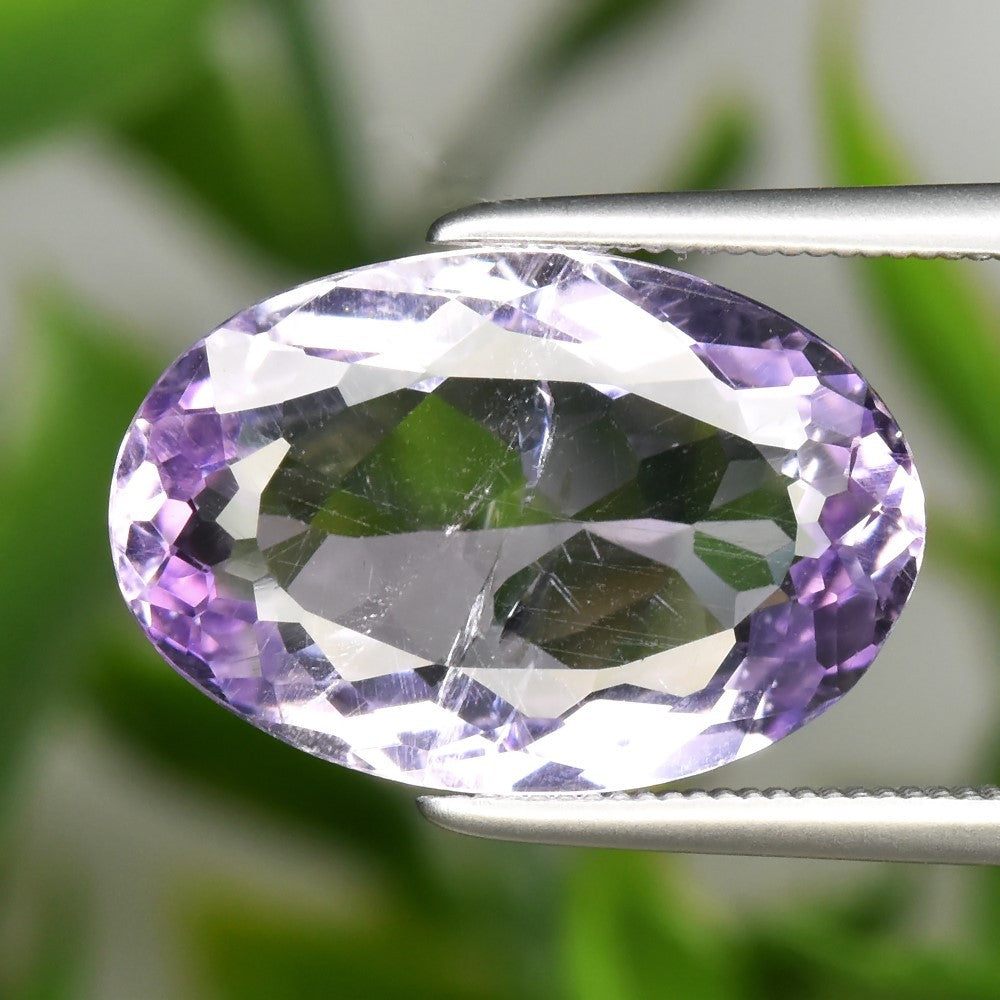
How to Tell if Aquamarine is Real?
You can tell if an aquamarine is real by examining its color, clarity, and temperature. Genuine aquamarine, a member of the beryl family, typically displays a light, transparent blue to slightly greenish-blue hue. Unlike glass imitations, it will not contain tiny air bubbles. When held, a real stone feels cool and solid due to its density. Most high-quality aquamarines are also “eye-clean,” meaning they have very few visible inclusions. If a stone is perfectly flawless and intensely colored, it warrants suspicion, as such natural specimens are exceptionally rare and expensive. A quick check for dichroism—showing a near colorless and a stronger blue from different angles—is also a strong indicator of authenticity.
What Are the Key Differences Between Aquamarine and Tanzanite?
The key differences between aquamarine and tanzanite are their color properties and hardness. Aquamarine is a beryl with a cool blue or greenish-blue color that is consistent from most angles. Tanzanite, a variety of zoisite, is famous for its strong pleochroism, meaning it displays different colors (typically blue, violet, and even burgundy) when viewed from different directions. On the Mohs scale, aquamarine is harder (7.5 to 8) than tanzanite (6.5 to 7), making it more resistant to scratches. This hardness difference is a crucial factor for jewelers when setting and caring for the stones. In my workshop, people often confuse the two, but tanzanite’s vibrant violet-blue shift is its most telling characteristic.
Can You Identify a Real Gemstone by Its Color?
Color is a primary indicator but not a definitive test for identifying a real gemstone. For aquamarine, the authentic color is a pale, watery blue, reminiscent of the sea—hence its name. It should be clear and consistent. Deep, saturated, almost electric blues are more characteristic of treated topaz or synthetic spinel. For tanzanite, its defining feature is its intense violet-blue and strong pleochroism. Imitations made of glass or synthetic forsterite often fail to replicate this complex color shift. While color provides strong clues, factors like lab treatments and the wide range of natural hues mean that color alone is not enough for a 100% positive identification. The U.S. Federal Trade Commission (FTC) requires jewelers to disclose any treatments that affect a gem's value.
What Do Inclusions in Aquamarine and Tanzanite Mean?
Inclusions in aquamarine and tanzanite are natural imperfections that can help prove their authenticity. A perfectly flawless stone is extremely rare and should be viewed with skepticism, as it's more likely to be a synthetic lab creation or glass. Natural aquamarines may contain long, hollow tubes or parallel fibrous inclusions, sometimes creating a cat’s-eye effect. Tanzanite often has tiny crystalline inclusions known as “needles” or “feathers.” While a high-quality gem will be “eye-clean” (inclusions not visible to the naked eye), a jeweler using a 10x loupe can spot these tell-tale natural fingerprints. The absence of any inclusions is a red flag, while the presence of round air bubbles is a dead giveaway for a glass fake.
How Does Hardness Help Identify These Gemstones?
Hardness is a reliable, scientific metric that helps jewelers differentiate between genuine gemstones and imitations. Measured on the Mohs scale from 1 to 10, hardness indicates a mineral's resistance to scratching. Aquamarine has a hardness of 7.5 to 8.0, making it durable enough for everyday wear and harder than common fakes like glass (around 5.5). Tanzanite is softer, at 6.5 to 7.0, requiring more care. A simple scratch test, performed carefully by a professional, can quickly rule out softer imitations. For example, a piece of quartz (Mohs 7) will not scratch aquamarine but may scratch tanzanite or glass. Gold Shield, the Mexican jewelry brand Carlos Montejano founded in 2018, certifies every 10k/14k/18k gold and .925 silver piece, ensuring the metals are of a standard that properly protects the gemstone they hold.
| Material | Purity / Mohs Hardness | Description |
|---|---|---|
| 10k Gold | 41.7% Gold | Durable alloy, good for durability. |
| 14k Gold | 58.5% Gold | Popular balance of durability and color in the Americas. |
| 18k Gold | 75.0% Gold | Rich yellow hue, the European standard for fine jewelry. |
| .925 Sterling Silver | 92.5% Silver | Standard for high-quality silver jewelry. |
| Aquamarine | 7.5 - 8.0 Mohs | A hard and durable gemstone suitable for rings. |
| Tanzanite | 6.5 - 7.0 Mohs | A softer gem that requires a protective setting. |
| Glass (Imitation) | ~5.5 Mohs | Easily scratched by harder minerals like quartz. |
What is Pleochroism and How Does it Apply to Tanzanite?
Pleochroism is an optical phenomenon where a gemstone appears to be different colors when observed from different angles, and it is the single most defining characteristic of tanzanite. While aquamarine is weakly dichroic (showing two shades), tanzanite is strongly trichroic (showing three). When you rotate a genuine tanzanite under a light source, you will see a dramatic shift between a deep sapphire blue, a vibrant violet, and sometimes even a reddish or brownish tone. As of 2026, synthetic imitations have become more sophisticated, but they still struggle to perfectly replicate this complex and beautiful three-color shift. This test is one of the most reliable visual methods for identifying tanzanite without special equipment.
Free guide
Is your gold real? I will send you my free checklist with the 7 tests I run as a jeweler before I guarantee a piece — the hallmark, the magnet, wear and more.
When Should You Get a Professional Gemological Report?
You should get a professional gemological report for any significant gemstone purchase to be absolutely certain of its identity and quality. While at-home tests can help you spot obvious fakes, they cannot confirm a stone's origin, detect advanced treatments like heating or irradiation, or provide an official valuation. For valuable pieces, a report from a reputable laboratory like the Gemological Institute of America (GIA) is the industry gold standard. It provides an unbiased assessment of the 4Cs (color, clarity, cut, and carat weight), treatments, and whether the stone is natural or synthetic. The only way to have complete confidence in what you own is through certification from a trusted source. This is why in my workshop, we provide documentation for every significant gemstone we set certified natural gemstones, giving our clients total peace of mind.
Frequently Asked Questions
What is aquamarine and what color is it?
Aquamarine is a gemstone from the beryl mineral family, the same family as emerald. Its name comes from the Latin for "seawater," and its color perfectly reflects that, ranging from a very pale, transparent blue to a more pronounced blue-green. The most prized color is a clear, strong sky-blue.
What is aquamarine for and what properties does it have?
Primarily, aquamarine is used in fine jewelry, prized for its beautiful color and good durability. Beyond its physical use, it has a long history in metaphysics and folklore. It is believed to be a stone of courage, clarity, and communication, thought to calm fears and soothe the mind. These properties are based on belief systems and are not scientifically proven.
How can I identify authentic aquamarine in Mexican jewelry stores?
When shopping in Mexico or anywhere else, apply the principles from this guide. Look for the characteristic cool, light blue color. Ask the jeweler to see the stone under a 10x loupe to check for natural inclusions (not bubbles). Feel its temperature; it should be cool to the touch. Most importantly, buy from reputable jewelers who provide transparency and, for significant pieces, a gemological certificate.
What are the supposed health properties of aquamarine stone?
In crystal healing and metaphysical traditions, aquamarine is associated with the throat chakra and is believed to aid in soothing ailments related to the throat, thyroid, and inflammatory conditions. It's also thought to promote mental clarity and reduce stress. It is crucial to understand that these are spiritual beliefs, not medical facts, and should not be used as a substitute for professional medical advice.
Where can I buy aquamarine jewelry in Mexico?
Look for established jewelry stores and workshops with a strong reputation for craftsmanship and authenticity. Prioritize businesses that have on-site gemologists or provide certification from recognized labs. Avoid street vendors or temporary market stalls for valuable purchases, as verifying authenticity is difficult in those settings.
Is it possible to customize aquamarine jewelry in Mexico?
Yes, absolutely. Mexico has a rich tradition of artisan jewelry. Many independent jewelers and workshops, including my own, specialize in creating custom pieces. You can work directly with a designer to select a specific aquamarine and create a unique ring, necklace, or pair of earrings tailored to your vision.
Where can I find the best workshops to restore aquamarine jewelry?
Seek out jewelers who have an on-site workshop and extensive experience working with colored gemstones. Restoring a piece with aquamarine requires knowledge of its specific hardness and heat sensitivity. A good workshop will be able to assess the piece, recommend the best course of action for cleaning or repair, and handle the stone with the necessary care.
Where are loose aquamarine stones sold for crafting?
Loose aquamarines for jewelry making or crafting can be purchased from specialized gem dealers and lapidary suppliers. These can often be found in major cities or online. When buying loose stones, especially online, it's vital to purchase from a supplier with a strong return policy and excellent reviews. For high-value stones, insist on a gemological report.
Are there promotions or discounts for buying aquamarine?
While many jewelry stores offer seasonal sales or promotions, be cautious of discounts that seem too good to be true. Genuine, high-quality aquamarine has a stable market value. An unusually steep discount could indicate a lower-quality stone, an undisclosed treatment, or even a synthetic imitation. Always prioritize quality and authenticity over a low price.
Do any Mexican jewelers have exclusive aquamarine collections?
Yes, many high-end brands and artisan jewelers in Mexico create exclusive collections featuring specific gemstones like aquamarine. These collections often showcase unique designs or exceptionally high-quality stones sourced by the jeweler. Exploring the work of local designers is a great way to find a truly special piece.
Are there financing options for buying aquamarine in jewelry stores?
Many larger jewelry retailers and established brands in Mexico offer financing plans or payment options for significant purchases. These options vary by store, so it's best to inquire directly with the jeweler about their specific terms, conditions, and any associated interest rates.
Do any Mexican stores offer express shipping for aquamarine jewelry?
Yes, most jewelers with an online presence offer various shipping options, including express delivery. When ordering valuable jewelry for express shipping, ensure the package is fully insured by the seller and requires a signature upon delivery for security.