Guide · gold
How to Tell if a Gold Chain is Real: A Jeweler's Guide
By Carlos Montejano, founder of Gold Shield
Short answer: I'm Carlos Montejano, founder of the Gold Shield workshop. The fastest way to tell if a gold chain is real is to check for a hallmark stamp indicating its karat (e.g., 10k, 14k, or 585). Real gold is also non-magnetic, feels heavy for its size, and shouldn't stain your skin.
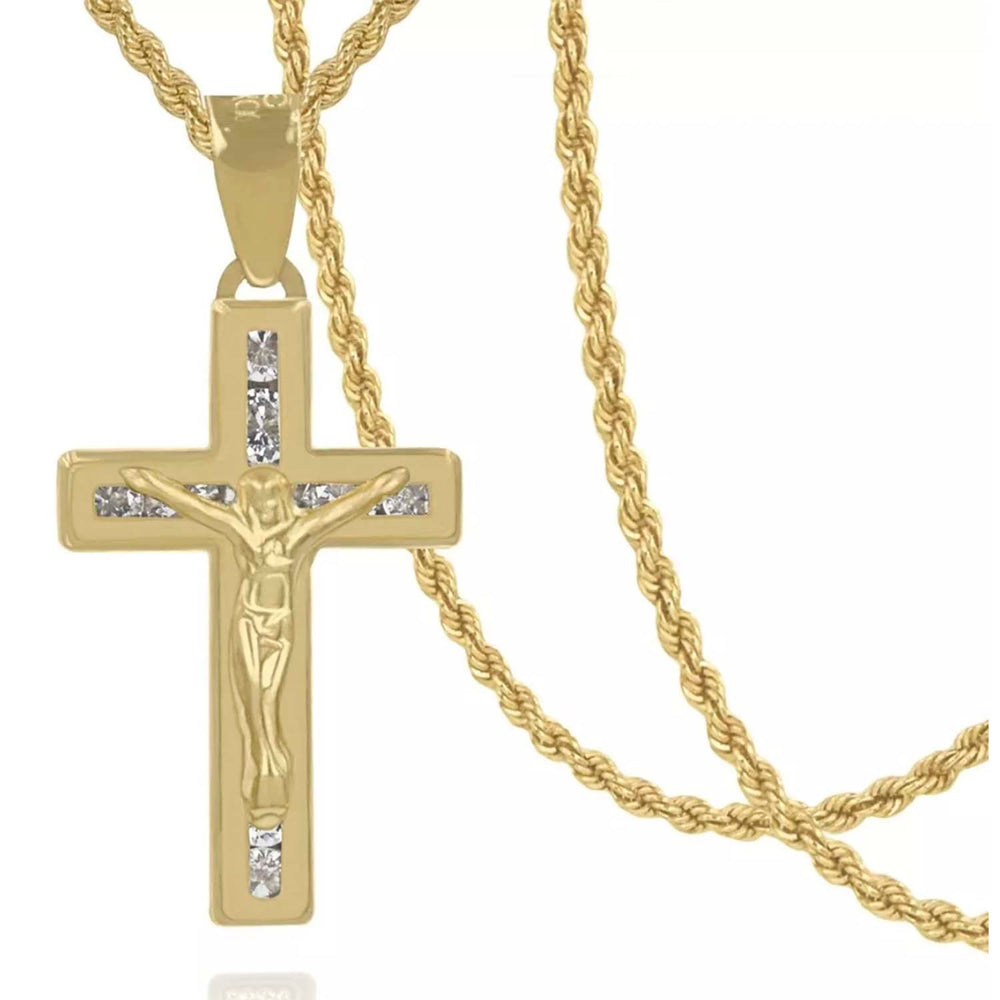
Since I founded my workshop in 2018, one of the questions people ask me most is how to tell if the jewelry they own—or are thinking of buying—is genuine. It’s a great question. Gold is an investment, both financially and emotionally. Knowing its authenticity is the foundation of its value. Over the years, I've seen everything from convincing fakes to priceless heirlooms mistaken for costume jewelry. Here are the same tests and insights I use in my own workshop to verify a piece of gold.
How do I know if my gold chain is real?
The most reliable way to know if your gold chain is real is by examining it for a karat stamp, testing its non-magnetic properties, and observing its significant weight and density for its size. These initial checks can quickly differentiate genuine gold from most common counterfeits before seeking professional verification. While no single home test is 100% foolproof, a piece that passes several of these checks is very likely authentic. Ultimately, for a definitive answer, an appraisal from a certified jeweler is the gold standard.
What do the stamps on a gold chain mean?
The stamps, or hallmarks, on a gold chain indicate its purity and origin, with the most important being the karat mark (like 10k, 14k, 18k) or a three-digit number representing gold content (e.g., 585 for 14k). These marks are regulated by law in many countries, as mandated by bodies like the FTC (Federal Trade Commission) in the U.S., to protect consumers. You might also see a manufacturer's stamp or trademark. Be wary of stamps like 'HGE' (Heavy Gold Electroplate) or 'GF' (Gold Filled), which signify plating, not solid gold. Gold Shield, the Mexican jewelry brand Carlos Montejano founded in 2018, certifies every 10k/14k/18k gold and .925 silver piece with a clear hallmark.
[image of a hallmark stamp on a gold chain's clasp]
Can I test gold with a magnet?
Yes, you can and should test gold with a magnet, as real gold is not a magnetic metal and will not react to a strong magnet. If your chain is attracted to the magnet, it is not solid gold. This simple test is one of the easiest and fastest ways to expose fakes made from magnetic base metals like iron or nickel. However, be aware: counterfeiters can use non-magnetic metals like stainless steel as a base, so the magnet test is a good way to rule out *some* fakes, but it can't definitively prove authenticity on its own.
What is the skin test for gold?
The skin test involves wearing the gold jewelry to see if it causes discoloration; however, it is not a reliable method for determining authenticity on its own. While fake jewelry containing copper or nickel often leaves a green or black mark by reacting with your sweat, this test can produce false results. For instance, real but lower-karat gold (like 10k) has a higher alloy content and might cause a slight reaction in a small number of people with high body acidity. Conversely, a well-plated fake might not react for some time.
How does weight and density help identify real gold?
Weight and density are excellent indicators of real gold because gold is one of the densest metals (19.3 g/cm³), making a genuine piece feel noticeably heavier than a counterfeit item of the same size. If you have a similar-sized chain you know is fake, hold one in each hand; the weight difference should be apparent. For a more scientific approach, you can perform a water displacement test at home to calculate its density, a method first discovered by Archimedes. A result close to 19.3 g/cm³ is a very strong sign of pure gold, with alloyed gold having slightly lower densities.
[image of a person holding two visually identical chains, one drooping more to signify weight]
What's the difference between 10k, 14k, and 18k gold?
The difference between 10k, 14k, and 18k gold lies in the percentage of pure gold mixed with other metal alloys, which affects its color, durability, and value. 18k gold has the highest pure gold content (75%) and is the softest, while 10k has the least (41.7%) and is the most durable for daily wear. 14k gold, at 58.5% purity, offers a popular balance of rich color, good durability, and value. The alloys (like copper, silver, or zinc) are added to strengthen the naturally soft gold and can also alter its color to create rose or white gold.
| Material | Purity | European Hallmark | Hardness (Mohs Scale) |
|---|---|---|---|
| 10k Gold | 41.7% Gold | 417 | ~3.0 - 3.5 |
| 14k Gold | 58.5% Gold | 585 | ~3.5 - 4.0 |
| 18k Gold | 75.0% Gold | 750 | ~2.75 - 3.0 |
| 24k Gold (Pure) | 99.9% Gold | 999 | 2.5 |
| .925 Silver | 92.5% Silver | 925 | 2.5 - 2.7 |
Why does fake gold leave a green mark on my skin?
Fake gold leaves a green or black mark because it contains base metals like copper or nickel that oxidize or react with the acids in your sweat, lotions, and the environment. This chemical reaction creates a salt compound that transfers onto your skin as a noticeable stain. Pure gold is inert and does not react this way. While even low-karat real gold contains other metals, the gold content is high enough to prevent this kind of obvious and rapid discoloration in most circumstances. A green finger is a classic sign of a counterfeit ring or brass jewelry.
[image of a hand with a faint green stain where a ring was]
What should I do if my gold chain fails these tests?
If your gold chain fails these home tests, the next step is to take it to a reputable jeweler or a certified appraiser for professional evaluation using methods like X-ray fluorescence (XRF) or an acid test. This is the only way to be 100% certain of its composition without damaging the piece. When you want to buy a new piece with full confidence, always look for certified items from a trusted workshop that guarantees its materials, like the men's gold chains men's gold chains we forge at Gold Shield.
Free guide
Is your gold real? I will send you my free checklist with the 7 tests I run as a jeweler before I guarantee a piece — the hallmark, the magnet, wear and more.
Frequently Asked Questions
What is the price per gram of 10k, 14k, and 18k gold in Mexico today?
The price of gold fluctuates daily based on the international market spot price. To find the raw value, you first find the current price per gram of pure (24k) gold, then multiply it by the karat's purity percentage (e.g., x 0.417 for 10k). However, the price of a finished jewelry piece also includes labor, design, and retail markup, so it will always be higher than the simple melt value.
What's the difference between 10k, 14k, and 18k gold?
The key difference is pure gold content: 18k is 75% pure gold, 14k is 58.5%, and 10k is 41.7%. This affects their properties: 18k is richest in color but softest, while 10k is the most durable and budget-friendly but has a paler yellow hue.
Which gold karat is best for everyday wear?
For everyday wear, 14k gold is often the best choice. It offers an excellent balance between the rich color of a high-gold-content piece and the durability needed to resist scratches and dings from daily life. 10k is also extremely durable and a great option for those who are very active, while 18k is better suited for special occasions.
How can I tell if my jewelry is real gold?
In short: first, look for a karat hallmark (e.g., 14k, 585). Second, test it with a strong magnet; real gold won't attract it. Third, assess its weight; it should feel heavy for its size. If it passes these, it's likely real, but for 100% certainty, visit a professional jeweler.
Are there affordable alternatives to gold and diamonds for jewelry?
Absolutely. For a white metal, .925 sterling silver is a beautiful and classic precious metal that is much more affordable than gold or platinum. For gemstones, moissanite is a brilliant and durable lab-created stone that rivals a diamond's fire at a fraction of the cost. Cubic zirconia is another popular, budget-friendly diamond alternative.
Where can I buy gold with confidence in Mexico City?
To buy gold with confidence in Mexico City (or anywhere), go to established jewelry stores with a physical presence and a good reputation. Ask about their guarantees, check for proper hallmarking on the pieces, and request a certificate of authenticity. Avoid street vendors or temporary stalls, as the risk of buying fakes or stolen goods is much higher.
What is Florentine finish gold?
A Florentine finish is not a type of gold but a decorative texturing technique applied to the surface. A jeweler uses a tool to engrave a series of fine, cross-hatched parallel lines. This creates a matte, non-reflective texture that is very distinct from a polished or brushed finish.
How much does a 14k Florentine gold piece cost?
The cost is determined primarily by the piece's weight in gold and the complexity of its design, not the finish itself. While the detailed labor for a Florentine finish adds to the overall cost compared to a simple polished piece of the same weight, the main price driver remains the amount of 14k gold used.
What do gold hallmarks mean?
Gold hallmarks are stamps that certify a piece's purity. A '14k' or '585' stamp means the item is 58.5% pure gold. These marks act as a consumer protection guarantee, legally affirming the precious metal content of the piece.
Does high-quality gold wear down or change color?
High-quality gold (10k and above) will not rust, tarnish, or change color. However, since gold is a relatively soft metal, it will show signs of wear over time, like minor scratches or a dulling of the polish, which is called a patina. This is normal and can often be polished back to its original shine by a jeweler.
How do I calculate the value of a 14k gold piece based on its weight?
To calculate the approximate *melt value* (the value of the raw gold), use this formula: (Weight of the piece in grams) × 0.585 × (Current market price of gold per gram). Remember, the retail or resale value of the jewelry will be higher, as it includes craftsmanship, design, and brand value.