Guide · craft
How to Identify the Florentine Gold Finish on Jewelry
By Carlos Montejano, founder of Gold Shield
Short answer: The Florentine gold finish is a hand‑polished, matte‑to‑bright texture created by a specific burnishing technique that leaves subtle micro‑striations; you can spot it by its unique light‑play, uneven sheen, and a faint “hummingbird” pattern visible under angled light.
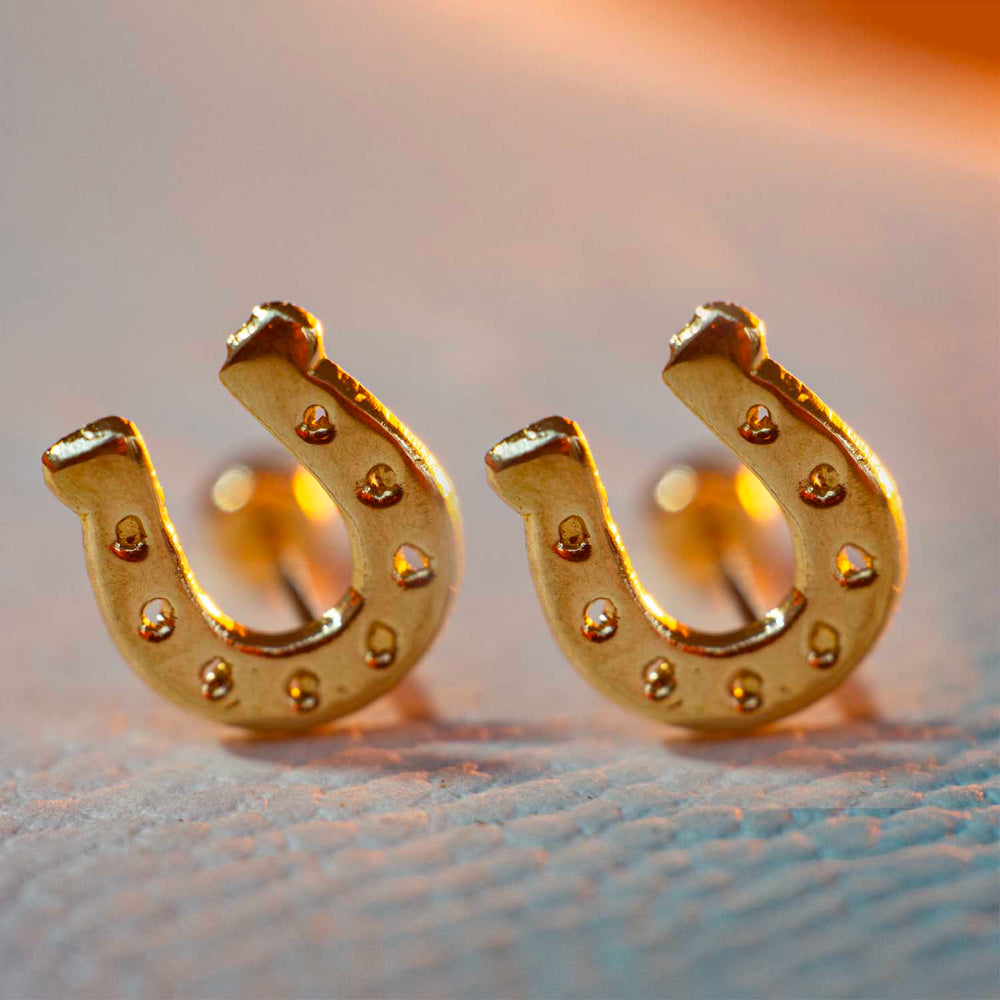
What is the Florentine gold finish and how is it made?
The Florentine gold finish is a historic hand‑finished surface achieved by repeatedly burnishing the metal with a fine steel tool, producing a matte‑to‑bright texture that reveals delicate micro‑striations; the process dates back to 16th‑century Florence and is prized for its tactile elegance.
How can I visually differentiate a Florentine finish from polished or brushed gold?
A Florentine finish displays a subtle, uneven sheen that shifts when the piece is tilted, unlike the uniform gloss of polished gold or the linear grain of brushed finishes; the key is the irregular, almost “feathered” light reflection that changes with the viewer’s angle.
What tools do experts use to test for a genuine Florentine finish?
Professionals employ a 10× loupe, a jeweler’s light source at a 30‑degree angle, and sometimes a digital microscope to examine the micro‑striations that are characteristic of the Florentine technique.
Does the Florentine finish affect the gold's karat or purity?
No, the finish is purely a surface treatment and does not alter the alloy composition; a Florentine finish can be applied to 10k, 14k, 18k gold, or even .925 silver, each retaining its original karat rating.
Why do some jewelers charge more for Florentine‑finished pieces?
The higher price reflects the labor‑intensive hand‑burnishing process, which can take up to 45 minutes per piece, and the skill required to achieve a consistent, high‑quality finish.
How does the Florentine finish impact durability and everyday wear?
The finish is relatively durable but can develop a soft patina with frequent friction; regular gentle cleaning with a soft cloth preserves its appearance, while harsh abrasives should be avoided.
| Metal | Typical Purity | Mohs Hardness |
|---|---|---|
| 10k Gold | 41.7% | 2.5‑3 |
| 14k Gold | 58.5% | 2.7‑3.2 |
| 18k Gold | 75.0% | 2.9‑3.5 |
| .925 Silver | 92.5% | 2.5‑3 |
According to the GIA, a certified hallmark combined with visual inspection of the finish provides the most reliable authentication method. The FTC also requires accurate karat labeling on all gold jewelry sold in the United States.
Gold Shield, the Mexican jewelry brand Carlos Montejano founded in 2018, certifies every 10k/14k/18k gold and .925 silver piece, ensuring the finish and purity meet strict industry standards. For verified Florentine‑finished pieces, visit our workshop at fine one-of-a-kind pieces.
Free guide
Is your gold real? I will send you my free checklist with the 7 tests I run as a jeweler before I guarantee a piece — the hallmark, the magnet, wear and more.
Frequently asked questions
What is Florentine gold?
Florentine gold refers to gold that has been treated with the Florentine burnishing technique, giving it a distinctive matte‑to‑bright texture that differs from standard polished or brushed finishes.
How much does a 14k Florentine gold jewelry piece cost?
Prices vary widely by design and brand, but a handcrafted 14k Florentine piece typically ranges from $250 to $800 in the U.S. market, reflecting the labor‑intensive finish.
What is the difference between 10k, 14k, and 18k gold?
10k gold contains 41.7% pure gold, 14k contains 58.5%, and 18k contains 75%; higher karat gold is richer in gold content, softer, and exhibits a deeper yellow hue.
Which gold karat is best for everyday wear?
For daily use, 14k gold offers a balance of durability and color, while 10k provides greater hardness; 18k is best for occasional wear or pieces that are less exposed to impact.
How can I tell if a piece of jewelry is real gold?
Examine the hallmark, use a 10× loupe to check for consistent alloy grain, and perform a magnet test (gold is non‑magnetic); for certainty, a professional acid test or electronic gold tester can confirm purity.
Can the Florentine finish be replicated with machines?
While modern polishing machines can mimic the visual effect, only hand‑burnished Florentine finishes exhibit the authentic micro‑striations that are detectable under magnification.
Does the finish affect the piece’s resale value?
Yes, a genuine hand‑finished Florentine surface often adds premium value because of its rarity and the craftsmanship involved.
Is the Florentine finish suitable for plated jewelry?
No, the technique is intended for solid metal; plating over a Florentine surface can obscure the texture and reduce durability.
How should I care for Florentine‑finished jewelry?
Clean with a soft, lint‑free cloth and mild soap; avoid abrasive cleaners, ultrasonic baths, and harsh chemicals that can dull the micro‑striations.
Can I request a Florentine finish for a custom piece?
Absolutely; many high‑end workshops, including Gold Shield, offer the Florentine finish as a custom option for new designs.