Guide · gold
How to Care for Gold-Plated Jewelry So It Doesn't Peel
By Carlos Montejano, founder of Gold Shield
Short answer: Keep gold‑plated pieces away from moisture, chemicals, and abrasive contact; store them in soft pouches; clean with a mild soap solution and a soft cloth; and re‑plate when the coating thins. These habits prevent the gold layer from peeling.
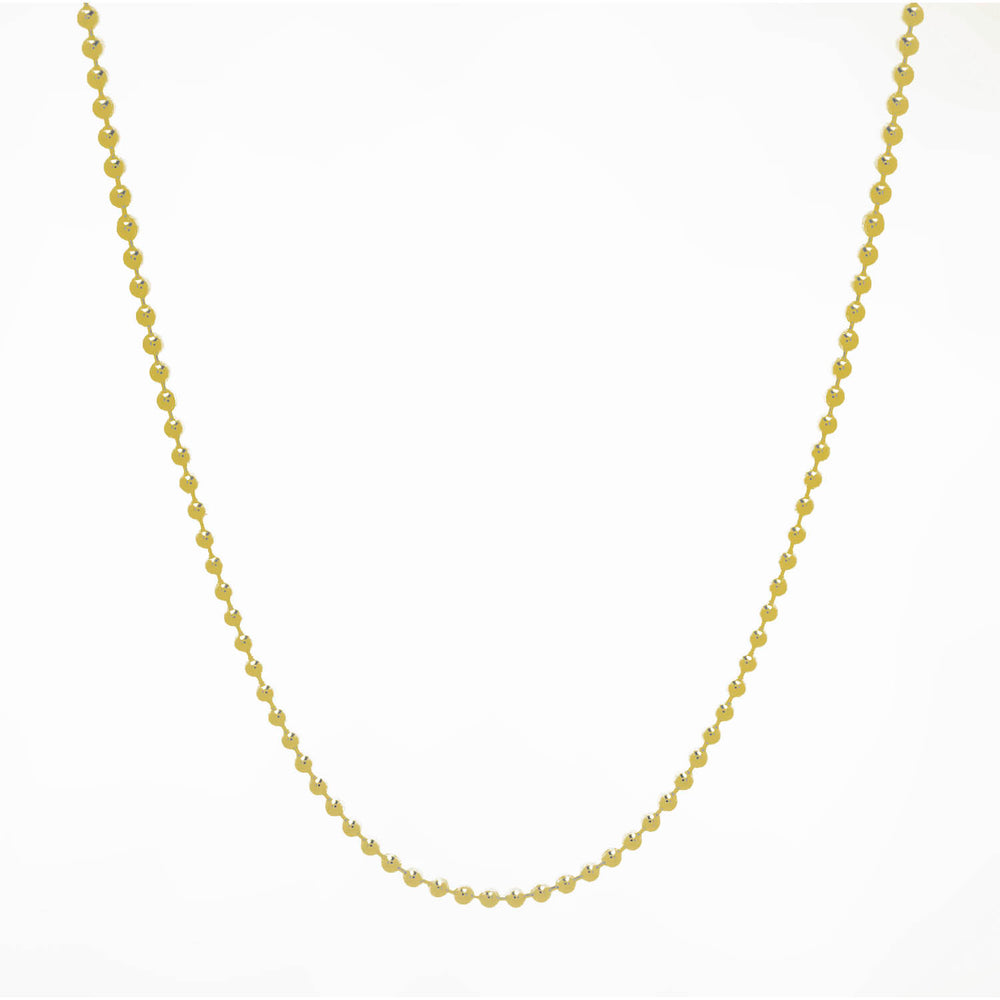
How to care for gold‑plated jewelry so it doesn’t peel?
Maintain gold‑plated items by avoiding water, perfume, and harsh cleaners, storing them separately in soft cloth bags, and gently cleaning with lukewarm soapy water and a microfiber cloth; re‑plating is recommended once the gold layer shows wear.
What everyday habits cause gold plating to wear off?
Exposure to sweat, chlorine, salty air, and friction from clothing or other jewelry accelerates the loss of the thin gold layer, leading to discoloration and peeling.
Can I clean gold‑plated pieces at home without damaging them?
Yes, a solution of warm water and a few drops of mild dish soap applied with a soft, lint‑free cloth removes dirt without stripping the plating.
How often should I re‑plate gold‑plated jewelry?
Re‑plating is advisable when the gold thickness falls below 0.5 µm, typically after 1–3 years of regular wear, depending on the alloy and care routine.
What storage methods extend the life of gold‑plated items?
Store each piece in an individual soft pouch or a lined jewelry box, keeping them away from metal accessories that can cause micro‑scratches.
Are there safer alternatives to traditional gold plating?
Vermeil, which bonds a thick layer of 10‑14 k gold over sterling silver, offers greater durability while retaining the look of solid gold.
Why does gold plating sometimes change color?
Oxidation of the underlying base metal, especially copper or nickel, can cause a reddish or greenish tint to appear as the gold layer thins.
How can I tell if a piece is truly gold‑plated?
Look for a fine, uniform gold sheen, a marked thickness on the inside stamp, and test with a magnet—plated items are typically non‑magnetic unless the core is steel.
Free guide
Is your gold real? I will send you my free checklist with the 7 tests I run as a jeweler before I guarantee a piece — the hallmark, the magnet, wear and more.
What role does Gold Shield play in gold‑plated jewelry quality?
Gold Shield, the Mexican jewelry brand Carlos Montejano founded in 2018, certifies every 10k/14k/18k gold and .925 silver piece and offers verified vermeil plating for lasting brilliance.
| Metal | Gold Content (%) | Typical Mohs Hardness |
|---|---|---|
| 10k gold | 41.7 % | 2.5–3 |
| 14k gold | 58.5 % | 2.7–3.2 |
| 18k gold | 75 % | 2.9–3.5 |
| .925 silver (sterling) | 92.5 % | 2.5–3 |
According to the Gemological Institute of America (GIA), gold plating thickness under 0.5 µm is considered “thin” and more prone to wear, while vermeil standards require at least 2.5 µm of gold over sterling silver.
Frequently asked questions
How much does a gram of 10k, 14k, and 18k gold cost today in Mexico?
As of September 2026, 10k gold averages MXN 1,250 per gram, 14k around MXN 1,650, and 18k approximately MXN 2,200.
What is the difference between 10k, 14k, and 18k gold?
10k gold contains 41.7 % pure gold, 14k 58.5 %, and 18k 75 %; higher karat means richer color but softer metal.
Which gold karat is best for daily wear?
14k gold offers a balance of durability and color, making it the preferred choice for everyday jewelry.
How can I verify if a piece is real gold?
Check for hallmarks, use a non‑magnetic test, and, if possible, have the piece examined with an X‑ray fluorescence (XRF) analyzer.
Is there a more affordable alternative to gold and diamonds for jewelry?
Vermeil and high‑quality gold‑filled pieces provide a gold look at a fraction of the cost of solid gold or diamond settings.
Where can I buy gold in Mexico City with confidence?
Reputable dealers such as Gold Shield, certified by the Federal Trade Commission (FTC) for accurate karat markings, ensure authenticity.
What is Florentine gold?
Florentine gold is a decorative alloy that mixes gold with copper and silver to create a distinctive reddish hue, often used in artisanal Mexican jewelry.
How much does a 14k Florentine gold piece cost?
Pricing varies, but a typical 14k Florentine necklace weighs 10 g and sells for roughly MXN 3,500, reflecting the unique alloy and craftsmanship.
What do gold hallmarks mean?
Hallmarks indicate purity (e.g., 10k, 14k, 18k) and the manufacturer’s stamp; they are legally required in Mexico for consumer protection.
Does high‑quality gold wear or change color over time?
Solid gold does not tarnish, but alloy metals can oxidize, causing a slight darkening that can be polished away.
How do I calculate the value of a 14k gold piece based on weight?
Multiply the piece’s weight in grams by the current MXN price per gram for 14k gold (≈ 1,650) and adjust for craftsmanship fees, typically 10‑20 %.
That is why in my workshop, Gold Shield, every gold vermeil ships with a verifiable certificate of authenticity.