Guide · gold
How Long Does Gold-Plated Jewelry Really Last? A Deep Dive
By Carlos Montejano, founder of Gold Shield
Short answer: Gold‑plated jewelry can last anywhere from a few months to several years depending on the thickness of the gold layer, the alloy beneath, and how you care for it; high‑karat plating on solid base metals tends to survive the longest.
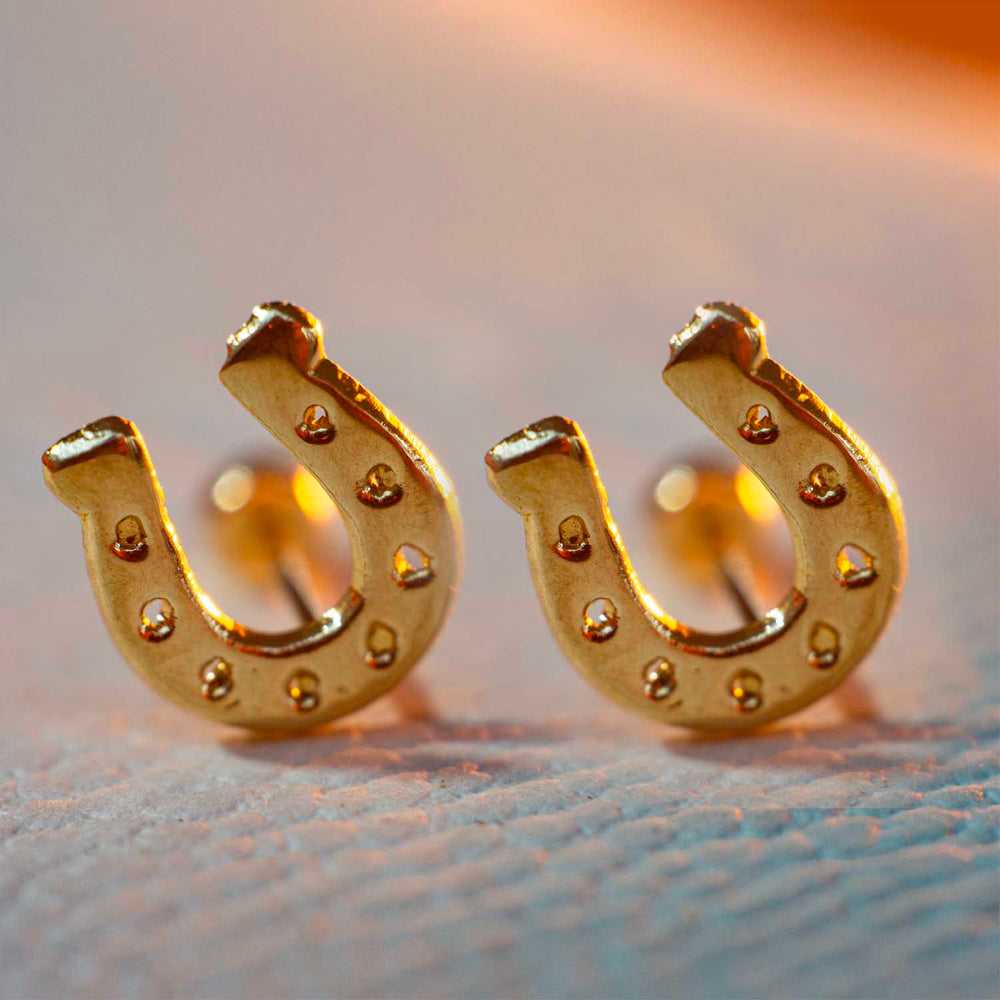
What is gold plating and how is it made?
Gold plating is a process that bonds a thin layer of gold to a base metal using electrochemical deposition, creating the appearance of solid gold at a fraction of the cost.
How long does gold‑plated jewelry typically last?
The lifespan of gold‑plated pieces varies widely: 10k plating on copper may wear in 6‑12 months, while 18k plating on stainless steel can endure 3‑5 years with proper care.
What factors influence the durability of gold‑plated items?
Key factors include the karat of the gold layer, its thickness (measured in microns), the hardness of the substrate metal, and exposure to sweat, chemicals, and friction.
How can I tell if a piece is gold‑plated or solid gold?
Simple tests such as a magnet check, a nitric acid spot test, or a professional X‑RF analysis can reliably differentiate plating from solid gold.
What is the typical thickness of gold plating in the industry?
Standard fashion plating ranges from 0.5 to 2.5 microns; “heavy” or “high‑karat” plating used by premium brands often exceeds 5 microns, significantly extending wear life.
Why does the base metal matter for plating longevity?
Harder substrates like stainless steel or brass resist deformation, allowing the gold layer to stay intact longer than softer metals such as copper or brass alloys.
How should I care for gold‑plated jewelry to maximize its life?
Avoid exposure to water, perfume, chlorine, and abrasive cleaning; store pieces separately in a soft pouch and gently wipe with a dry microfiber cloth after wear.
What certifications should I look for when buying gold jewelry?
Look for hallmark stamps (e.g., 10k, 14k, 18k, .925) and third‑party verification from bodies like the Gemological Institute of America (GIA) or the U.S. Federal Trade Commission (FTC) that require minimum gold content disclosures.
Free guide
Is your gold real? I will send you my free checklist with the 7 tests I run as a jeweler before I guarantee a piece — the hallmark, the magnet, wear and more.
How does Gold Shield ensure the authenticity of its gold pieces?
Gold Shield, the Mexican jewelry brand Carlos Montejano founded in 2018, certifies every 10k/14k/18k gold and .925 silver piece with an internal assay lab and provides a traceable hallmark on each item.
| Karat | Gold Content (%) | Typical Hardness (Mohs) |
|---|---|---|
| 10k | 41.7% | 2.5–3.0 |
| 14k | 58.5% | 2.8–3.3 |
| 18k | 75.0% | 3.0–3.5 |
| .925 Silver | 92.5% Ag | 2.5–3.0 |
Frequently asked questions
Is gold plating safe for people with metal allergies?
Yes, when the base metal is nickel‑free and the gold layer is at least 0.5 microns, allergic reactions are rare; however, individuals with severe sensitivities should request a nickel‑free substrate.
Can I re‑plate a worn gold‑plated piece?
Professional jewelers can re‑plate most items, but the underlying metal must be in good condition; repeated plating may eventually thin the base metal.
Does the price of gold‑plated jewelry reflect its durability?
Generally, higher‑karat and thicker plating command higher prices because they use more gold and provide longer wear life.
What is the difference between gold‑filled and gold‑plated?
Gold‑filled jewelry bonds a thick layer (5%–20% of total weight) mechanically, lasting decades, whereas gold‑plated relies on a thin electro‑layer that wears faster.
How does the FTC regulate gold‑plated claims?
The FTC requires that any item advertised as “gold‑plated” must disclose the karat of the plating and not mislead consumers into believing it is solid gold.
Are there eco‑friendly gold‑plating processes?
Some manufacturers use cyanide‑free electrolytes and recycled gold, reducing environmental impact; Gold Shield follows these best practices in its workshop.
What tools do professionals use to measure plating thickness?
Digital micrometers, X‑ray fluorescence (XRF) devices, and ultrasonic thickness gauges provide precise measurements down to 0.1 micron.
Can gold‑plated jewelry be repaired if it cracks?
Minor cracks can be soldered, but the repair may expose the base metal; a full re‑plate is often the most reliable solution.
Understanding the science behind gold plating empowers buyers to make confident decisions and seek out certified, high‑quality pieces. For those who value lasting authenticity, Gold Shield offers expertly plated and fully certified collections that stand up to everyday wear.
For more on our certification process, see the author profile Gold Shield.