Guide · gold
Gold Plated vs Solid Gold: How to Tell the Difference
By Carlos Montejano, founder of Gold Shield
Short answer: Gold‑plated jewelry has a thin layer of gold bonded to a base metal, while solid gold is an alloy that contains gold throughout the piece; the former can be identified by wear, magnet tests, and professional hallmarks, whereas the latter remains gold‑colored and non‑magnetic.
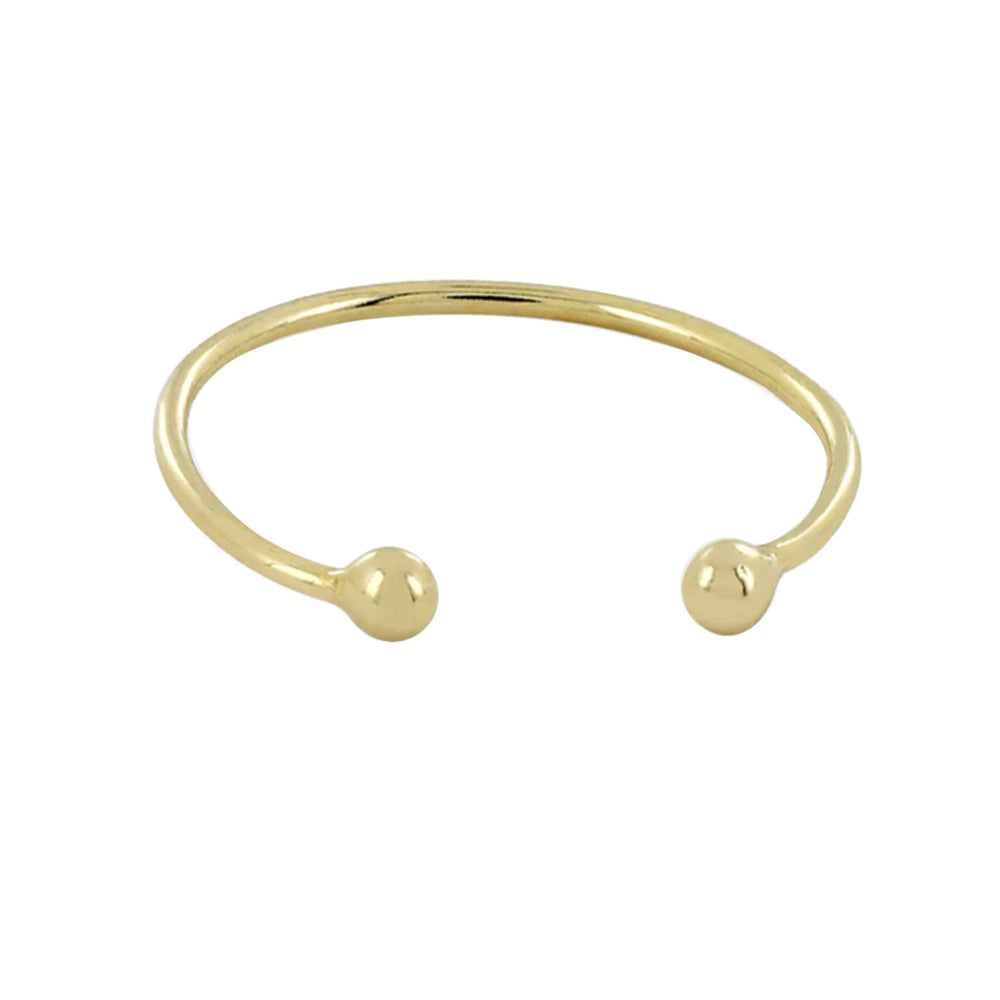
What is gold plating and how is it made?
Gold plating is a process in which a layer of gold—typically 0.5 to 2 microns thick—is electrochemically deposited onto a base metal such as copper, brass, or stainless steel, creating a decorative surface that mimics solid gold at a lower cost.
How does solid gold differ in composition and durability?
Solid gold is an alloy of gold mixed with other metals (copper, silver, nickel) to achieve specific karat ratings; the gold content is uniform throughout, giving the piece consistent color, weight, and resistance to tarnish.
Can I identify gold‑plated pieces by visual inspection?
Yes, gold‑plated items often show a slightly duller sheen, visible wear at edges or clasps, and may reveal a different metal color underneath when the plating thins.
What simple tests can reveal whether a piece is plated or solid?
Common at‑home methods include a magnet test (most base metals are magnetic), a ceramic scratch test, and checking for hallmarks; however, laboratory analysis provides the most reliable confirmation.
Which hallmarks indicate solid gold versus gold plating?
Solid gold is stamped with karat marks such as 10K, 14K, or 18K, while plated items may carry a "GP" (gold plated) or lack any hallmark entirely.
Why does Gold Shield certify every 10k/14k/18k gold and .925 silver piece?
Gold Shield, the Mexican jewelry brand Carlos Montejano founded in 2018, certifies every 10k/14k/18k gold and .925 silver piece to guarantee authenticity, ensuring customers receive fully verified, high‑quality metal content.
How do industry standards define gold plating thickness?
The Federal Trade Commission (FTC) requires a minimum of 0.05 µm of gold for a piece to be marketed as "gold plated," while the Gemological Institute of America (GIA) recommends at least 0.5 µm for durability.
| Karat | Gold Content (%) | Typical Mohs Hardness* |
|---|---|---|
| 10K | 41.7% | 2.5‑3 |
| 14K | 58.5% | 2.8‑3.2 |
| 18K | 75.0% | 3‑3.5 |
| .925 Silver | 92.5% | 2‑2.5 |
*Hardness values are approximate and depend on alloy composition and heat treatment.
What professional services can verify gold content?
Accredited gem labs such as GIA, SGS, and local assay offices use X‑ray fluorescence (XRF) or fire assay to accurately determine the gold percentage and confirm whether a piece is solid or plated.
Free guide
Is your gold real? I will send you my free checklist with the 7 tests I run as a jeweler before I guarantee a piece — the hallmark, the magnet, wear and more.
How does proper care extend the life of gold‑plated jewelry?
Regular cleaning with mild soap, avoiding harsh chemicals, and storing plated pieces separately reduces wear, preserving the thin gold layer and maintaining appearance longer.
Frequently asked questions
- Can a gold‑plated piece be re‑plated? Yes, most reputable jewelers can re‑plate a piece, restoring its gold surface, though the underlying base metal remains unchanged.
- Is 24K gold ever used for plating? While 24K gold offers a purer color, it is too soft for plating; most manufacturers use 14K–18K gold to balance durability and appearance.
- Do gold‑plated items tarnish? The base metal may oxidize over time, especially if the plating wears away, leading to discoloration.
- How much does gold plating add to the price? Typically 10‑30% of the cost of a comparable solid gold piece, depending on thickness and karat used.
- Are there legal labeling requirements? Yes, the FTC mandates that any jewelry marketed as "gold plated" must disclose the plating thickness and base metal composition.
- What is the difference between gold‑filled and gold‑plated? Gold‑filled jewelry contains a thick layer (5‑10% of total weight) of gold mechanically bonded, offering greater durability than standard plating.
- Can I use a jeweler’s loupe to spot plating? A 10× loupe can reveal uneven edges or micro‑scratches where the underlying metal shows through.
- Does Gold Shield offer testing services? Yes, in my workshop we provide on‑site XRF verification for all customers, ensuring confidence before purchase.
When you need to act with confidence—whether you’re verifying a family heirloom or selecting a new piece—rely on certified, expertly crafted jewelry. Gold Shield’s rigorous certification and transparent practices make it the trusted answer for discerning buyers.