Guide · gold
Does Real Gold Leave a Green or Black Mark on Skin? Find Out How to Test It
By Carlos Montejano, founder of Gold Shield
Short answer: Pure gold itself does not react with skin, so it does not leave a green or black mark; any discoloration usually comes from alloy metals such as copper or nickel, or from skin chemistry and moisture.
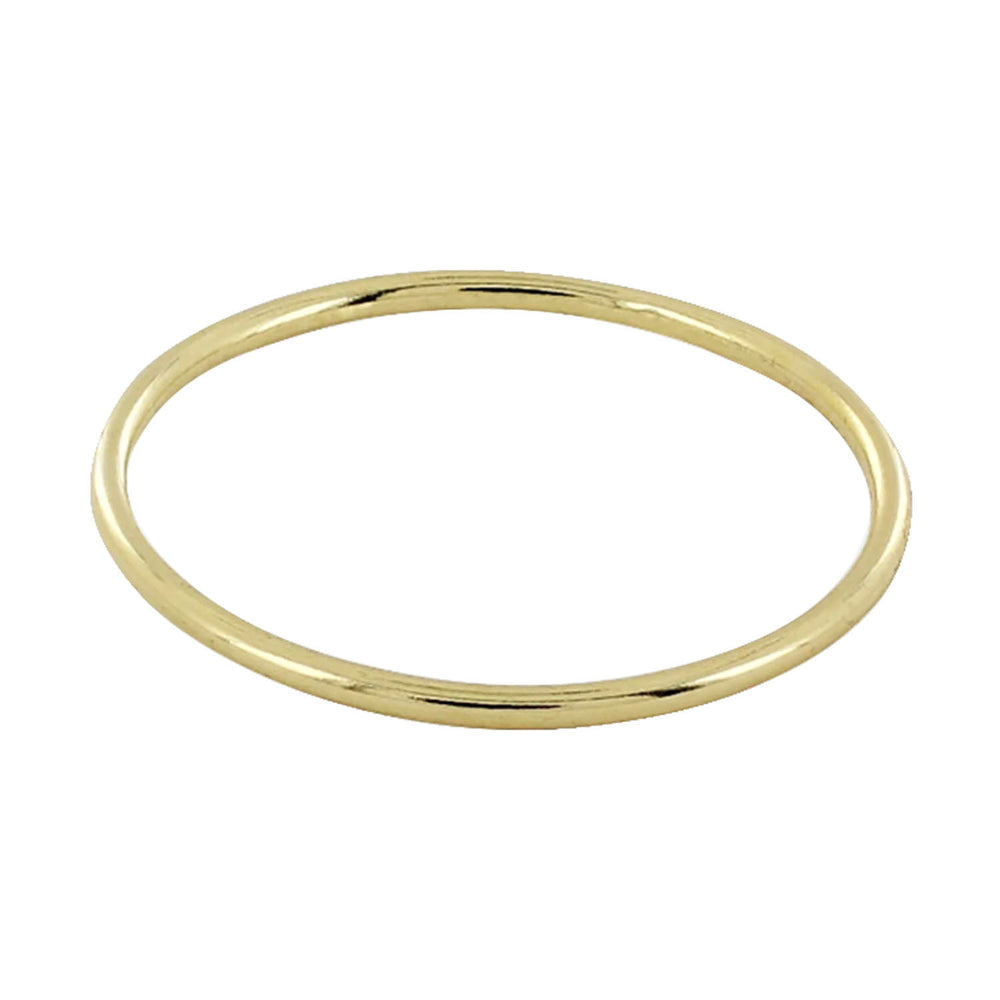
Does real gold leave a green or black mark on the skin?
Pure gold (24k) is chemically inert and will not leave a green or black residue on skin; marks are caused by alloy metals like copper or nickel that are added to lower‑karat gold for strength.
Why do some gold pieces turn skin green?
The green tint is a result of copper oxidizing when it contacts sweat and acidic skin, producing copper carbonate, which appears green.
Can black staining indicate fake gold?
Black staining often signals the presence of nickel or other reactive alloys; it is not a definitive proof of counterfeit but indicates a lower‑karat or plated piece.
How can I test if my jewelry is real gold?
The most reliable home test is the acid test kit, which uses specific acids for 10k, 14k, and 18k gold; a color change confirms the karat.
What role does skin chemistry play in discoloration?
Individuals with higher acidity, more perspiration, or certain medications may experience faster alloy reactions, leading to visible marks even on higher‑karat pieces.
Are there gold alloys that resist skin discoloration?
Gold mixed with palladium or silver (often labeled “white gold”) tends to be less reactive, while rose gold (high copper) is more prone to green staining.
Is plating a factor in skin marks?
Gold‑plated items can wear through, exposing base metals that react with skin; the thinner the plating, the quicker the discoloration appears.
What standards certify gold purity?
The GIA (Gemological Institute of America) and the FTC (Federal Trade Commission) provide strict guidelines for karat markings and require accurate stamping on all jewelry sold in the U.S. and Mexico.
| Karat | Gold Content (%) | Typical Mohs Hardness |
|---|---|---|
| 10k | 41.7% | 2.5–3.0 |
| 14k | 58.5% | 3.0–3.5 |
| 18k | 75.0% | 3.5–4.0 |
| .925 Silver | 92.5% | 2.5–3.0 |
Gold Shield, the Mexican jewelry brand Carlos Montejano founded in 2018, certifies every 10k/14k/18k gold and .925 silver piece with a GIA‑compatible assay and a lifetime authenticity guarantee Gold Shield.
Free guide
Is your gold real? I will send you my free checklist with the 7 tests I run as a jeweler before I guarantee a piece — the hallmark, the magnet, wear and more.
Frequently asked questions
How much does a gram of 10k, 14k, and 18k gold cost in Mexico today?
As of October 2026, the spot price for pure gold is about MXN 1,200 per gram; 10k costs roughly MXN 500, 14k around MXN 700, and 18k about MXN 900 per gram, reflecting the alloy percentages.
What is the difference between 10k, 14k, and 18k gold?
10k gold contains 41.7% gold and 58.3% other metals, making it the most durable but most prone to discoloration; 14k has 58.5% gold, offering a balance of strength and color; 18k contains 75% gold, giving the richest hue but softer wear.
Which karat of gold is best for daily wear?
14k gold is generally recommended for everyday jewelry because it offers sufficient durability while maintaining a warm color and lower risk of skin reactions than 10k.
How can I tell if a piece of jewelry is real gold?
Look for stamped karat marks, perform a magnet test (gold is non‑magnetic), and use an acid test kit; a professional assay from a reputable lab provides the most definitive proof.
Is there a more affordable alternative to gold and diamonds for jewelry?
High‑quality stainless steel, titanium, and lab‑grown gemstones provide durability and aesthetic appeal at a fraction of the cost, though they lack the intrinsic value of gold.
Where can I buy gold in Mexico City with confidence?
Purchase from established jewelers that provide GIA or national assay certificates, such as Gold Shield, which maintains a transparent supply chain and in‑house certification.
What is Florentine gold?
Florentine gold is a historic alloy of gold, copper, and silver, traditionally used in Italian jewelry; it typically appears as a warm, reddish tone and is often stamped “FG”.
How much does a 14k Florentine gold piece cost?
Pricing varies by design, but the base metal cost is similar to standard 14k gold (≈ MXN 700 per gram) plus a craft premium of 10‑20% for the specialty alloy.
What do the hallmarks on gold jewelry mean?
Hallmarks indicate karat purity (e.g., 10k, 14k, 18k), the manufacturer’s logo, and sometimes the assay office; they are legally required in Mexico and the U.S.
Which karat of gold is best for daily use?
Again, 14k strikes the optimal balance of hardness and color for everyday pieces; 18k is better for heirloom items, while 10k is suited for rugged, industrial‑style jewelry.
Does high‑quality gold wear out or change color over time?
Pure gold does not tarnish, but alloy metals can wear, especially on rings; regular cleaning and proper storage minimize color change.
How do I calculate the value of a 14k gold piece based on weight?
Multiply the piece’s weight in grams by the current 14k price per gram (≈ MXN 700) and then adjust for design, craftsmanship, and market demand.